Roof waterproofing services in Lakewood Ranch, FL exist for one reason: to stop water before it gets past the roof's surface. A roof is only as dry as its weakest seam, and in a climate this wet, that seam finds you fast.
This guide covers what's actually included in a waterproofing service, what it costs, and how to tell sealing from coating before you spend money on either.
How Lakewood Ranch's Climate Attacks Your Roof
Lakewood Ranch sits in one of the most humid parts of the country for most of the year, and that moisture never really lets up. Florida's statewide relative humidity runs in the 50 and 60 percent range during the warmest part of the day and climbs into the 70s and 80s during cooler hours , which keeps roofing materials damp longer than in drier states.
Add in intense UV exposure, salt-laden air drifting in from the Gulf, and wind-driven rain during hurricane season, and you get three separate stressors working on the same roof at once. Sun dries out sealants and cracks aging shingles. Salt air corrodes fasteners and flashing. Storm winds drive rain sideways into seams that would stay dry in a calmer climate.
Every one of those stressors points back to the same weak point: a compromised waterproofing layer, usually at a flashing joint, a pipe boot, or a skylight curb rather than the open field of the roof. After inspecting tile and flat roofs across Lakewood Ranch neighborhoods for years, that's consistently where we find the first sign of trouble, long before a stain ever shows up on a ceiling.
What's Included in Professional Roof Waterproofing Service
A real waterproofing service is a sequence, not a single spray-and-go treatment. Here's what the process typically looks like:
- Inspection (30-45 minutes) – checking seams, flashing, and existing coating condition.
- Cleaning and prep (1-2 hours) – removing debris and algae so new materials bond properly.
- Crack and seam repair – patching cracked tiles and failing joints.
- Primer application – helping sealant or coating adhere to the surface.
- Sealant or coating application (half-day to 2 days) – forming the actual waterproofing barrier.
- Final inspection – confirming seams and drainage are fully sealed.
Most residential jobs run one to three days start to finish. Request a roof inspection to get a timeline specific to your roof before scheduling anything.
Roof Waterproofing Cost in Lakewood Ranch, FL
Pricing depends on roof size, pitch, material, and how much repair work is needed before any sealant or coating goes on. As a rough starting point:
| Service Type | Typical Scope | General Price Range |
|---|---|---|
| Spot sealing | Flashing, pipe boots, isolated joints | Lower cost, targeted repair |
| Full roof coating | Entire roof surface, acrylic | Mid-range, whole-roof protection |
| Full roof coating | Entire roof surface, silicone | Higher cost, best for ponding areas |
| Tile underlayment waterproofing | Removal/reset of tiles for underlayment work | Highest cost, most labor-intensive |
These are general ranges, not quotes. Roof condition, square footage, and material choice all move the number. Get a free estimate for pricing specific to your property.
Roof Systems & Materials We Waterproof
Waterproofing needs differ by roof type, and each system has its own vulnerable points.
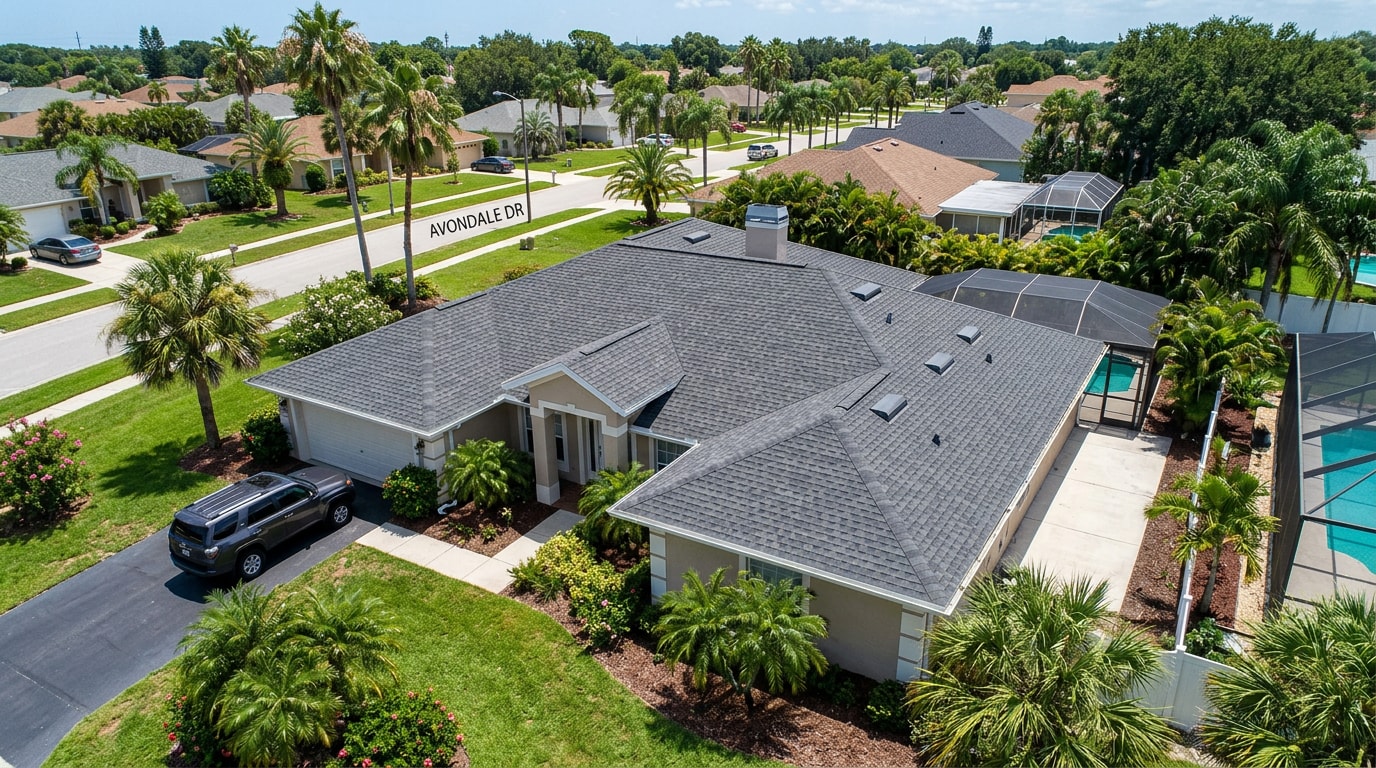
- Shingle roofs – flashing at valleys, chimneys, and roof-to-wall intersections.
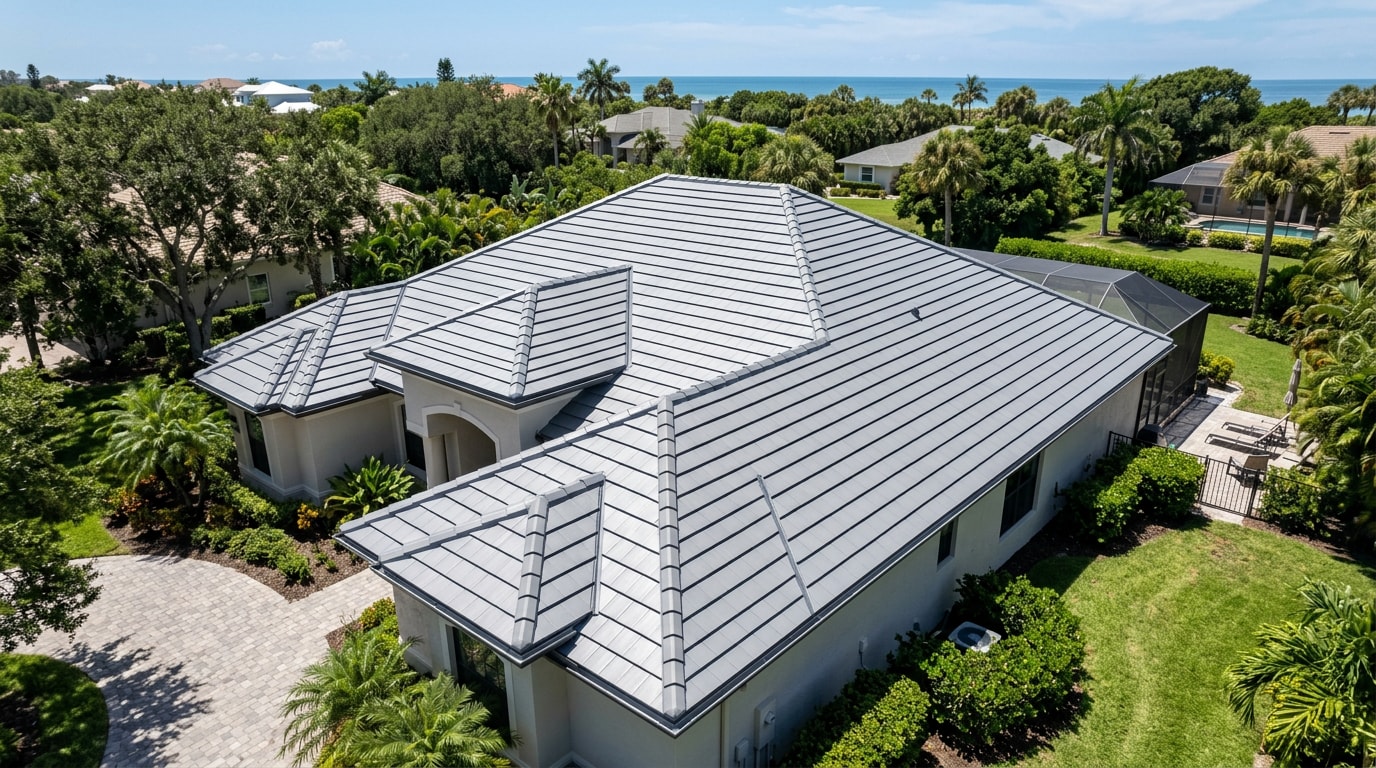
- Tile roofs – underlayment and flashing, since the tiles themselves are only the outer layer.
- Metal roofs – seams, fasteners, and panel laps, even though the panels resist weather well on their own.
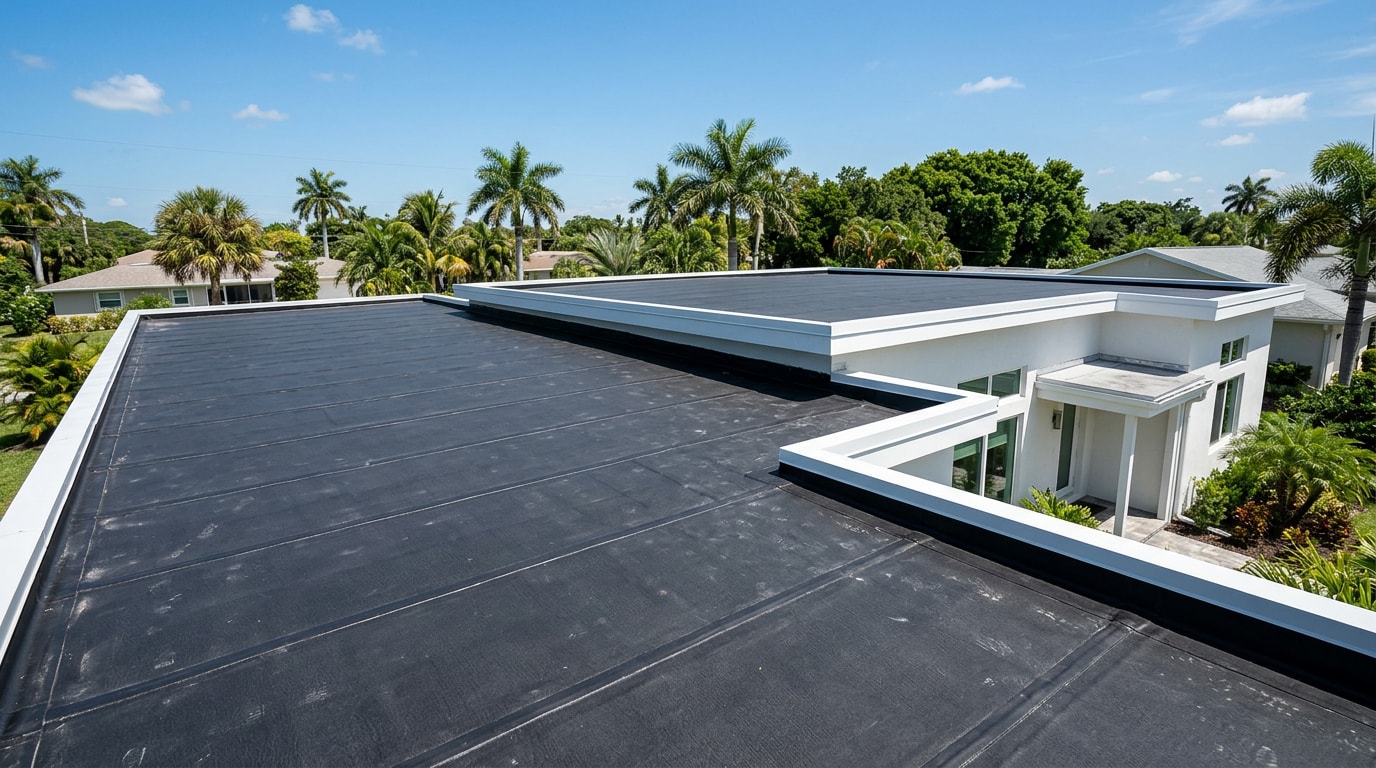
- Flat or low-slope roofs – coating and membrane integrity, since there's no slope to shed standing water on its own.
If you're weighing a flat roof system for a new build or re-roof, our guide to TPO roof installation in Lakewood Ranch covers how that membrane handles waterproofing and HOA approval in this market. For repair work on an existing flat section, see our flat roof repair services.
Roof Coating vs. Roof Sealing: Which Do You Need
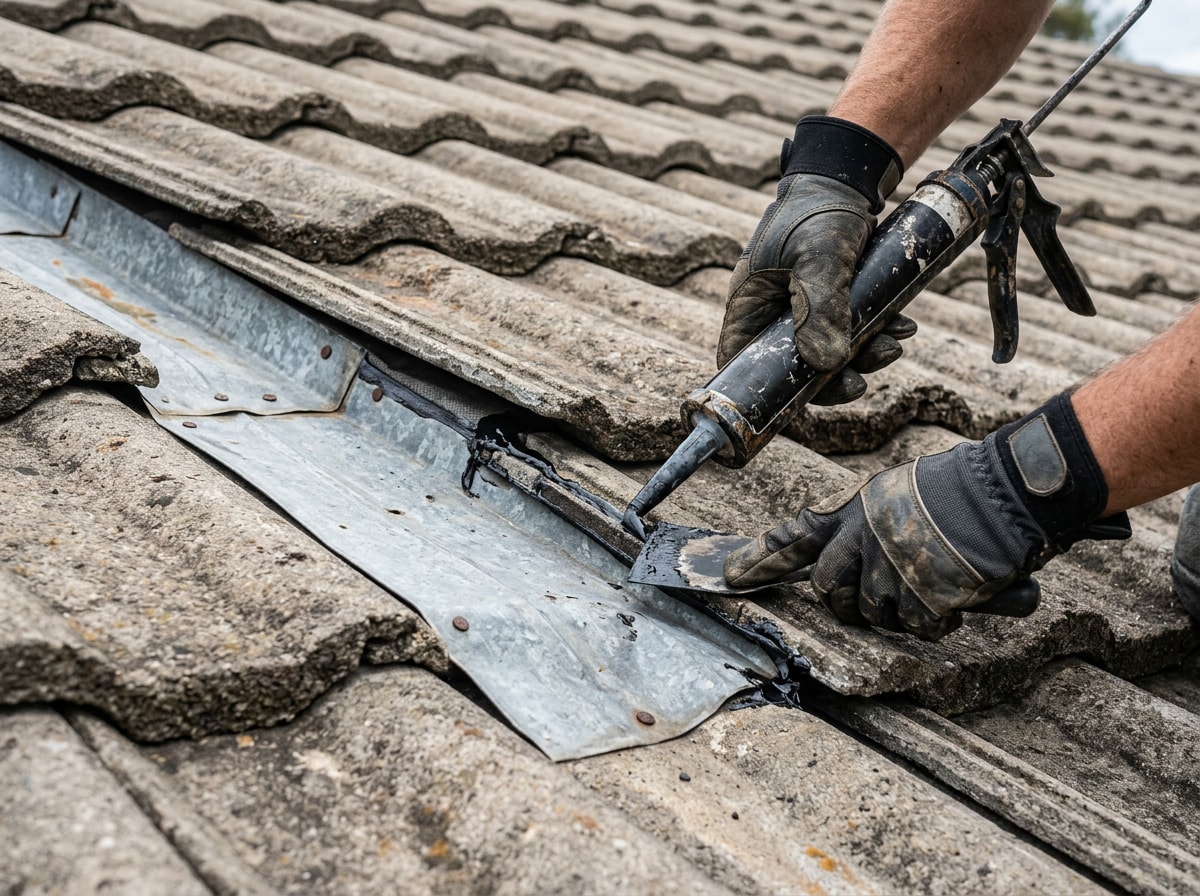
Sealing targets specific leaks and joints. Coating covers the entire roof surface for full waterproofing protection. If a roof is otherwise sound, spot-sealing flashing and penetrations can stop an isolated leak without the cost of a full coating job. If the surface itself is aging or chalking across the whole roof, a continuous coating is the better long-term fix.
Material choice matters just as much as the decision to coat versus seal:
| Coating Type | UV Resistance | Ponding Water Performance | Typical Use Case |
|---|---|---|---|
| Acrylic | Strong | Poor, most warranties exclude ponded areas | Sloped or well-drained roofs |
| Silicone | Strong | Excellent, resists standing water | Flat roofs with drainage issues |
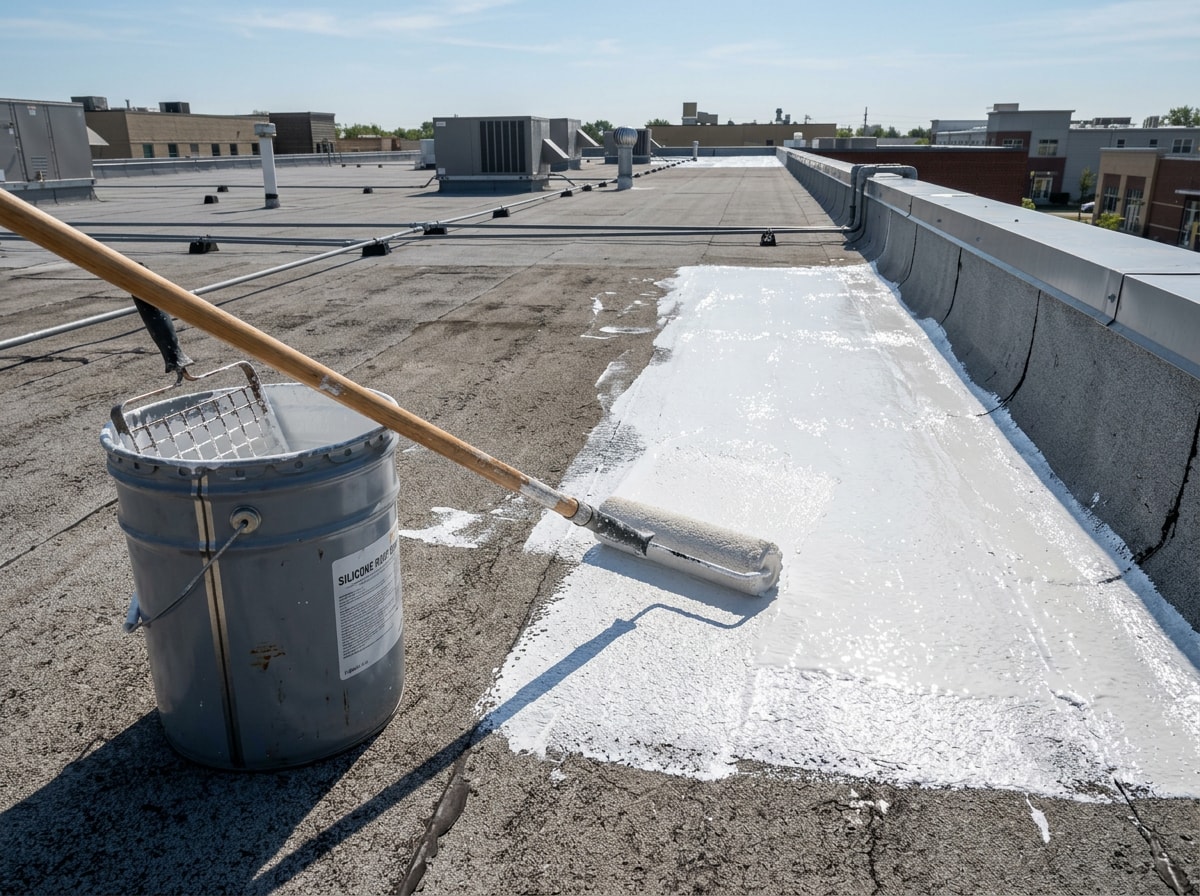
That distinction holds up across manufacturer data sheets: many roof coatings are not rated or warranted for ponding water, and typically acrylic roof coatings do not include warranties for ponding water, while some silicone roof coatings manufacturers will . On a flat Lakewood Ranch roof with any history of standing water, that's not a minor detail.
Reflective coatings carry an added benefit beyond waterproofing. According to the Roof Coatings Manufacturers Association, a reflective coating acts as the first line of defense against water penetration while also reducing surface temperature and heat transfer into the structure . Explore our roof coating services to find the right fit for your roof type.
Tile Roof Tune-Ups & Preventive Maintenance
A full tile roof tune-up is generally worth scheduling every five to seven years. Coastal properties with heavier salt exposure should consider annual checks of flashing and sealant condition instead of waiting the full interval.
Preventive maintenance catches small issues before they turn into expensive leaks:
- A lifted or cracked tile
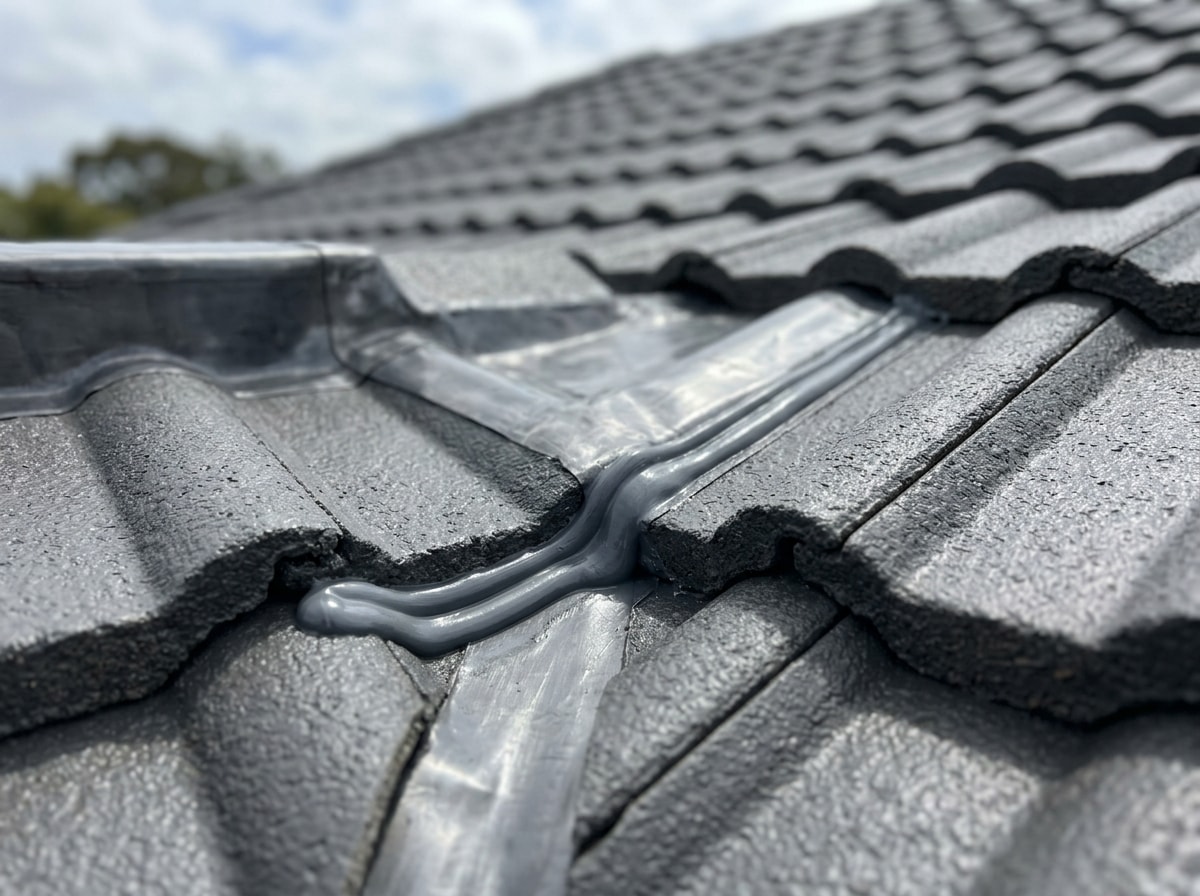
- A drying or cracking sealant bead at flashing joints
- Granule loss or chalking on an aging coating
- Early rust at metal fasteners or valley flashing
Florida's own building code backs up why flashing gets this much attention. State code requires that flashing be installed to prevent moisture from entering the wall and roof through joints, through moisture-permeable materials, and at intersections with parapet walls and other penetrations . For waterproofing membranes specifically, the code also requires that the system be flood tested after installation of the membrane and before any wearing surface or overburden goes on top of it . That's a higher bar than most homeowners realize applies to their own roof.
Staying ahead of these small repairs costs far less than fixing water damage later. Explore our tile roof maintenance program to set the right schedule for your property, or start with a roof repair if you're already seeing signs of a leak.
If you're not sure where your roof falls on that timeline, our team at Avery Roof Services serves Lakewood Ranch and the surrounding Manatee County area with free on-site inspections. Visit our homepage to see our full range of services, or go straight to scheduling a free estimate.
FAQ
What's the difference between sealing and coating?
Sealing targets specific leaks and joints. Coating covers the entire roof surface for full waterproofing protection. Sealing works well for isolated problem areas; coating is the better fit when the whole roof needs renewed protection.
How often should I get waterproofing service in Lakewood Ranch?
Most roofs benefit from a full waterproofing tune-up every five to seven years. Salt air and intense sun exposure can shorten that window, so annual inspections help catch early wear before it becomes a leak.
Can waterproofing service prevent hurricane damage?
Waterproofing reduces the risk of leaks at seams and flashing during wind-driven rain, but it isn't a substitute for wind-rated materials or a full roof replacement when storm damage is severe. If your roof has sustained structural damage, start with a roof replacement evaluation instead.
How long does roof waterproofing last?
Coating lifespan generally runs five to ten years depending on material and application. Florida's sun and salt air tend to shorten that range compared to drier, inland climates, which is why periodic inspection matters more here than elsewhere.
Is roof waterproofing covered by insurance?
Routine waterproofing and maintenance are typically considered homeowner upkeep, not an insurable event, so they're usually not covered. Waterproofing performed as part of storm damage repair may be covered depending on your policy; check with your insurer before assuming either way.
Can I waterproof my roof myself?
Spot-sealing a small, accessible leak with the right product is possible for a confident DIYer, but full coating work involves surface prep, primer compatibility, and application thickness that's easy to get wrong. A failed DIY coating job often costs more to strip and redo than a professional application would have cost upfront.
How much does roof waterproofing cost?
Costs vary by roof size, material, and current condition, so an on-site estimate gives the most accurate number. Waterproofing service generally costs far less than a full roof replacement. Get a free estimate for your property.