A roofing inspection checklist for Lakewood Ranch, FL needs to do more than list generic warning signs. It has to account for inland humidity, intense UV exposure, and a layer of Architectural Review Committee and county permitting rules that most national checklists never mention. Here's what to actually check, in what order, and when a ground-level look isn't enough.
How Often Should You Inspect Your Roof in Lakewood Ranch
A biannual check covers most homes here: once in late spring before hurricane season, and once in late fall after it winds down. The Atlantic hurricane season officially runs from June 1 through November 30, which is why a pre-season look matters as much as a post-season one.
Add two more triggers outside that calendar:
- After any named storm that produced sustained wind near your property, even if nothing looks wrong from the ground.
- Before buying or selling a home, since roof condition affects both financing and insurance underwriting.
If it has been longer than six months since your last look, a professional roof inspection is worth scheduling before the next storm risk window opens.
Types of Roof Inspections in Lakewood Ranch
Most Lakewood Ranch homeowners request an inspection for one of two reasons: they're buying or selling, or they're keeping up with routine maintenance. The scope and findings differ enough that it helps to know which one you need.
Pre-Purchase Inspection
A pre-purchase inspection is built for buyers, not a quick glance at the shingles. It typically documents the roof's age, any prior repair work, and whether that work was properly permitted through Manatee County, details worth knowing before you're under contract.
Skipping this step means inheriting problems that surface months later, often right as insurance renewal comes due.
Annual Maintenance Inspection
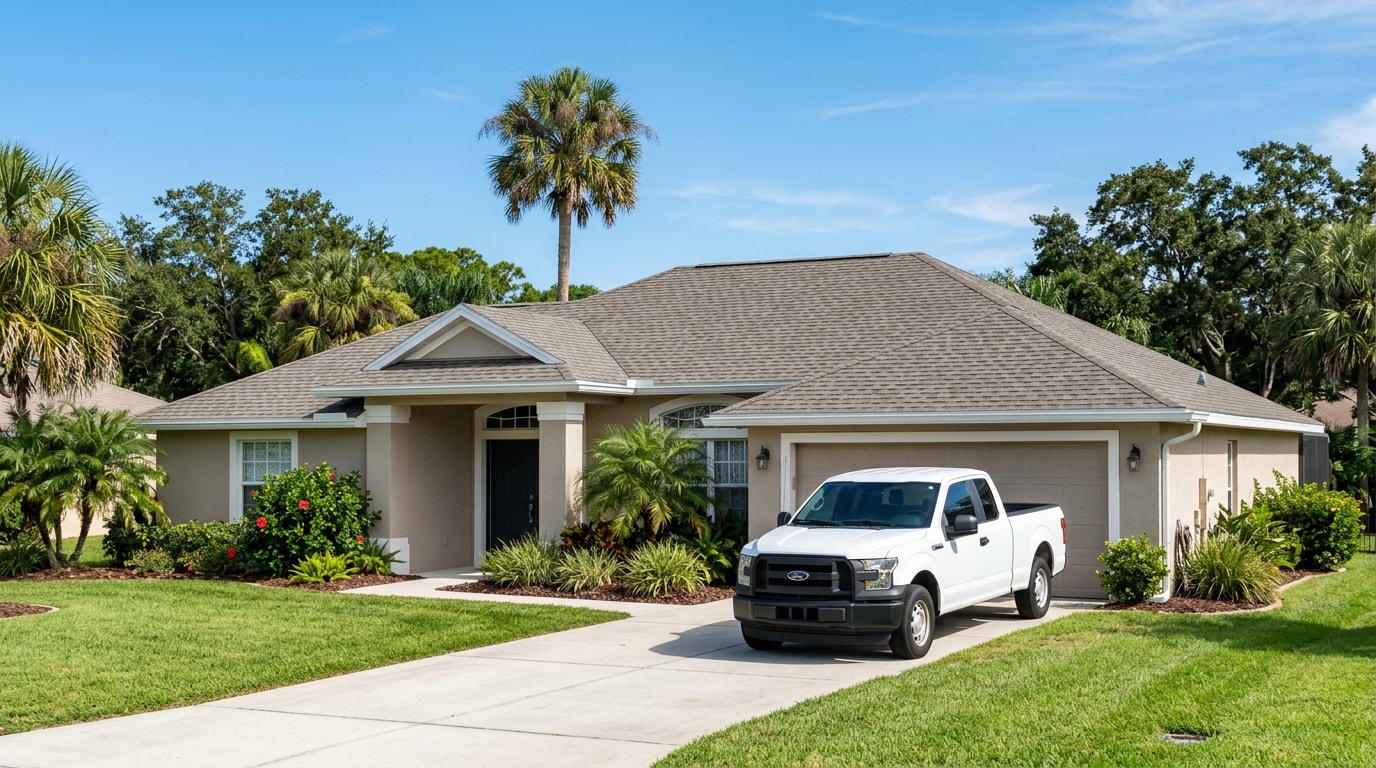
For homes built roughly between 1994 and 2005, annual maintenance inspections on tile roofs lean heavily on underlayment condition beneath the surface. Felt underlayment from that era is often approaching or past its expected service life even when the tile on top still looks fine from the driveway.
This check isn't visible from the curb. It usually means lifting a few tiles to look underneath, which is also a good time to handle roof cleaning if algae or debris has built up on the surface.
What a Lakewood Ranch Roof Inspection Covers
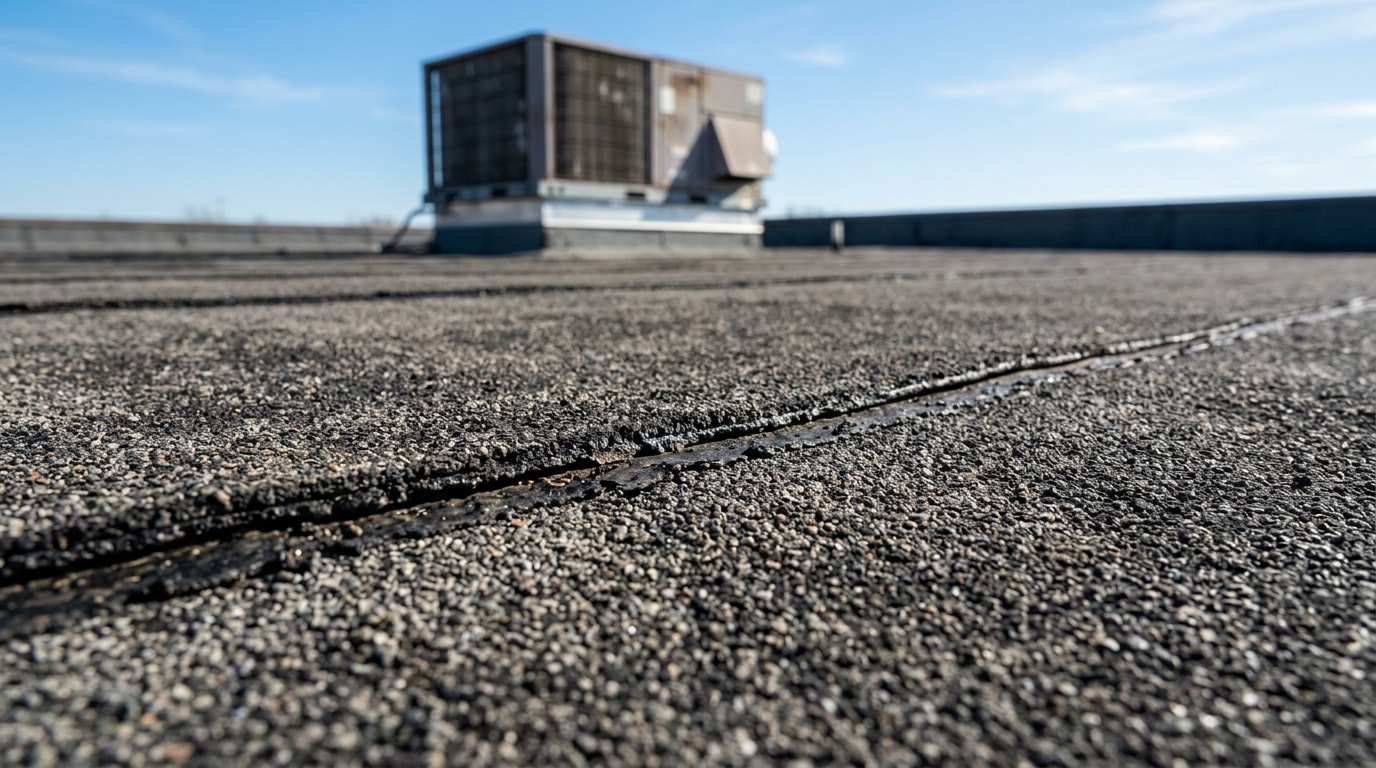
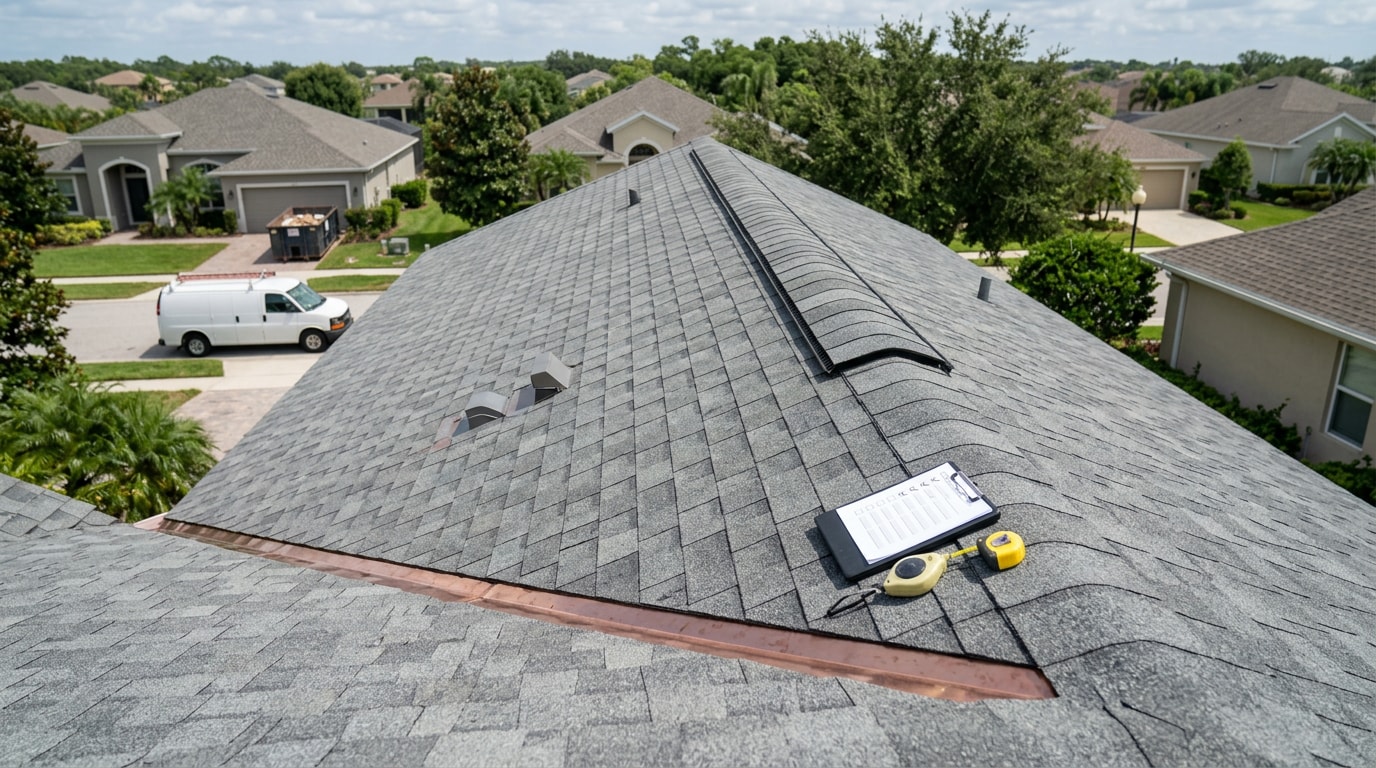
A complete roof inspection evaluates six areas of the system: deck condition, underlayment, flashing, surface covering, drainage and ventilation, and ridge and hip condition. Each area calls for a different inspection method, and some genuinely require someone on the roof.

Here's the realistic split between what you can check yourself and what needs a professional:
| Inspection Area | What You Can Check Yourself | What Needs a Professional |
|---|---|---|
| Deck condition | Attic-side water stains visible from below | Structural soundness, soft spots underfoot |
| Underlayment | Not visible without lifting roofing material | Full assessment, lift and inspect |
| Flashing | Obvious rust or gaps with binoculars | Sealed integrity at every penetration |
| Surface covering | Cracked, curled, or missing pieces | Granule loss pattern, impact damage |
| Drainage & ventilation | Gutters and vent covers visible from ground | Airflow balance, intake vs. exhaust ratio |
| Ridge and hip | Missing or shifted caps visible from below | Mortar condition, termination points |
Roof replacement becomes the realistic conversation once several of these areas show wear at the same time, rather than one isolated spot. If you're not sure which category your roof falls into, contact our team for a full on-roof evaluation instead of guessing from the ground.
The Roofing Inspection Checklist: Exterior Points
With the six systems covered, here's the hands-on part of the checklist, starting outside.

Check the roof surface from the ground:
- Cracked, curling, or lifted shingles
- Tiles that have shifted or slipped out of alignment
- Metal panels lifting at the seams
- Granule buildup collecting in gutters
Inspect flashing, valleys, and penetrations:
- Pipe boots for cracked or dried-out seals
- Valleys where lifted material or debris can trap water
- Vent and skylight flashing for rust or gaps
- Drip edge and fascia for separation
Pipe boots and valleys tend to fail first because that's where water concentrates and seals age fastest. A cracked pipe boot or a valley with lifted material is often the earliest visible sign of a leak forming. Routine debris removal helps prevent trapped moisture from accelerating that wear in the first place.
The Roofing Inspection Checklist: Interior and Structural Points
Interior signs often show up before anything is visible from outside, which is why the attic check matters just as much as the roofline check.
Attic warning signs:
- Water stains on the underside of the decking
- Daylight visible through roof boards
- Insulation that feels damp or matted
Structural warning signs:
- Sagging rooflines
- Soft or spongy decking underfoot
- Visibly stressed rafters or trusses
Structural issues rarely resolve on their own, and they tend to worsen with each rainy season. Any of these three findings is a reason to schedule a professional look within days, not months.
Post-Storm Roof Inspection Checklist
After a storm passes, shift from the routine checklist to an urgency-driven one. Look for lifted or missing shingles or tiles, fresh granule loss in the gutters, new interior stains, and debris piled in valleys where it can trap water.
Timing matters here beyond safety. FEMA's own disaster recovery guidance instructs homeowners to document property damage with photos and video before starting cleanup, which also strengthens any insurance claim filed later. Photograph every damaged area before tarping or any temporary repair work begins.
Pre-Purchase Inspections and Insurance: What Lakewood Ranch Buyers Need to Know
For Lakewood Ranch specifically, a pre-purchase inspection should answer three questions beyond general condition: how much roof life remains, whether prior repairs were properly permitted, and, for older tile homes, what condition the underlayment is in.
These answers matter for more than peace of mind. According to the Insurance Information Institute, roof age is the single most important variable insurers use to predict whether an asphalt shingle roof will hold up in a high-wind event, which means an aging roof can affect premiums and coverage terms well before it affects resale value.
Permitting matters too. Roof replacements and most repairs in Manatee County require a building permit, though smaller jobs may qualify for the county's streamlined Express Permit path. Buyers and sellers across Manatee County increasingly ask for permit records alongside the inspection report before finalizing a sale.
HOA and CDD review adds a separate layer on top of county permitting. In most Lakewood Ranch neighborhoods, an Architectural Review Committee needs to approve material, style, and color before work starts, and that approval runs on its own timeline, separate from the county permit. Our team has walked homeowners through this exact sequence on Lakewood Ranch projects, and the jobs that move fastest are the ones where both approvals get submitted at the same time rather than one after the other.
If you're planning a reroof, it's worth reading how licensed contractors in Manatee County navigate permitting before work begins, since the same permit rules apply whether you're repairing or replacing.
When an inspection turns up more than cosmetic wear, get a free estimate before committing to a repair-versus-replace decision on your own. For a broader look at how we serve the area, visit our homepage.
FAQ
How do I know if I need a roof inspection?
Watch for curled shingles, rust forming on flashing, or stains spreading across an interior ceiling. Any of these is a good reason to schedule an inspection before the next storm rather than waiting for the damage to spread.
How long does a roof inspection take?
A standard inspection on a typical Lakewood Ranch home generally takes somewhere between 45 minutes and a little over an hour on-site, depending on the roof's size, pitch, and accessibility. Steeper or more complex rooflines take longer to cover thoroughly.
Do I need HOA or CDD approval before roof repairs in Lakewood Ranch?
In most Lakewood Ranch neighborhoods, yes. An Architectural Review Committee typically needs to approve material, style, and color before work starts, separate from and in addition to any Manatee County building permit, so check both requirements early in the process.
Can I inspect my own roof, or do I need a professional?
You can safely spot obvious trouble from the ground with binoculars: missing shingles, sagging, debris, or visible rust. Stay off the roof itself and leave underlayment, deck soundness, and sealed flashing integrity to a professional, since those issues aren't visible from a ladder.
What should be included in a professional roof inspection checklist?
A professional checklist covers the full system: surface condition, flashing and penetrations, drainage and ventilation, attic and interior signs, and documented findings with photos. This mirrors the six-area breakdown covered earlier in this guide.
Does roof age actually affect my homeowners insurance in Florida?
Yes. Insurers commonly treat roof age as a primary underwriting factor, and an aging roof can mean higher premiums, a required inspection before coverage is issued, or a shift from replacement-cost to actual-cash-value coverage. Getting ahead of it with a documented inspection gives you more leverage when shopping for a policy.