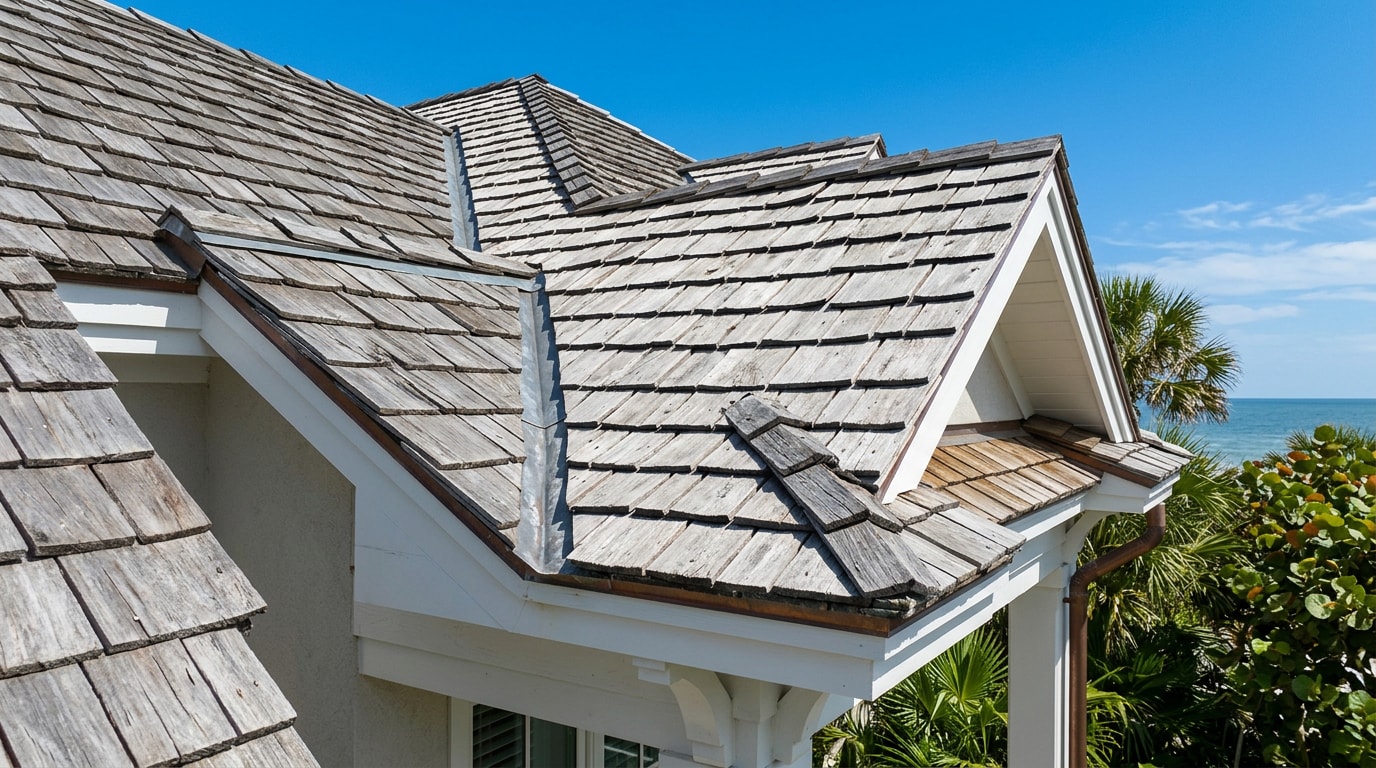
Cedar shake roofing in Venice, FL has a rustic, high-end look that photographs beautifully, but Gulf Coast humidity, relentless sun, and hurricane wind put real wood to a tougher test than it faces almost anywhere else in the country. This guide breaks down the climate risks, fire and wind code rules, true installed costs, and the alternatives worth considering before you request a quote. We inspect wood shake and shingle roofs across Venice and Sarasota County regularly, and the patterns below reflect what we actually see on these roofs, not just manufacturer claims.
Visit Avery Roof Services to see our services and request a free estimate.
Why Cedar Shake Roofing Struggles in Venice's Climate
Venice sits in one of the more demanding climates in the country for a wood roofing product. Year-round humidity, long stretches of direct sun, and seasonal tropical systems all work against cedar's natural durability. Homeowners considering the material for a home in Venice, FL should understand these pressures before comparing quotes.
Humidity Accelerates Mold and Decay
Sustained Gulf Coast humidity speeds up algae, mold, and mildew growth on untreated cedar shakes, often within the first few years of installation. Moisture gets trapped in the wood grain and rarely dries out fully between rain events.
Over time, this constant dampness softens the shakes and discolors the surface. It also creates ideal conditions for fungal decay if preservative treatments aren't reapplied on schedule.
Intense Sun Speeds Up Wood Aging
Sarasota County's high number of annual sun hours accelerates UV damage on exposed wood. The sun dries out cedar's natural oils faster than it would in milder climates, causing shakes to crack, cup, and split well before their expected lifespan.
This cycle of sun damage followed by humidity absorption is a big reason cedar ages faster here than it does in the Pacific Northwest, where the material originated.
Fire Risk: The Biggest Problem with Cedar Shake in Florida
Fire resistance is where cedar shake runs into its hardest limit in Florida. Untreated natural cedar shakes carry a Class C fire rating under ASTM E108, the lowest classification on the scale, where Class A roof coverings offer the highest level of protection against severe fire exposure and Class C only protects against light exposure.
A true Class A rating for cedar is only reached as an assembly, meaning a fire-retardant-treated shake combined with specific underlayment and decking materials. Getting there adds real cost. Fire-retardant treatment alone can add meaningfully to the price per roofing square, on top of the base material and labor.
Florida also sees more lightning strikes than almost any other state, and a direct strike on an untreated cedar shake roof can ignite the wood quickly. That combination of low baseline fire resistance and high lightning exposure is why many local building departments and insurers treat wood roofing with extra scrutiny near Venice.
Cedar Shake Roofing Performance in Florida Hurricanes
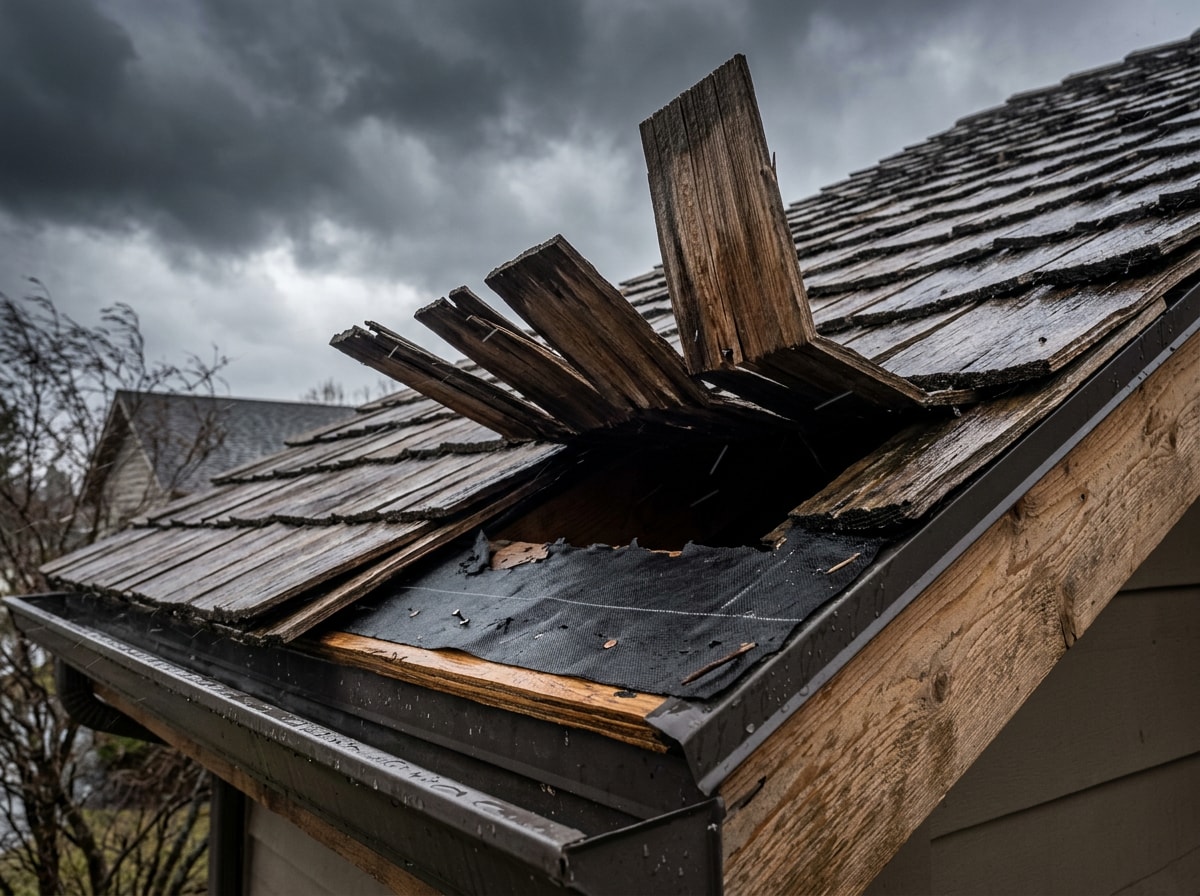
When hurricane-force wind gets under the edge of a shake, the uplift force can exceed the holding power of the nails, sending individual shakes airborne. Wood shake roofs have historically shown higher storm-damage rates than metal, tile, or properly installed architectural shingle roofs in the same storm path.
Design wind speeds matter here. Across Sarasota County, ultimate design wind speeds run roughly 139 to 166 mph depending on risk category and exposure, with most single-family homes landing near the middle of that range. Every roofing product installed in this wind zone needs valid Florida product approval documentation showing it was tested to those speeds.
Age compounds the risk. A 15-year-old cedar shake roof will almost always perform worse in a storm than the same roof did when new, since weathered shakes and loosened fasteners offer far less resistance to wind uplift. If a storm has already loosened or lifted shakes on your roof, a roof repair inspection can tell you whether isolated patching is realistic or whether the fastening has failed broadly enough to warrant replacement.
Florida Building Code Requirements for Wood Roofing
Cedar shakes require a minimum roof slope under the Florida Building Code, with an interlayment of approved felt or synthetic underlayment installed between each course. These aren't optional details. They're baseline requirements for a legal installation.
A narrow but real path to compliance does exist: at least one manufacturer's resawn and tapersawn cedar shake line currently carries Florida product approval for use in the High-Velocity Hurricane Zone under Miami-Dade County's compliance review. In practice, very few cedar installations near Venice use that exact approved product and assembly, which is part of why most contractors steer homeowners toward synthetic shake instead.
Every product used still needs valid product approval documentation on file. County permitting offices verify this paperwork before issuing a permit, so it's worth confirming approval status before you sign a contract. A roof inspection ahead of permitting can flag missing documentation early, before it holds up the job.
Insurance Considerations for Wood Roofs in Florida
Fire classification doesn't just affect code compliance, it affects what your insurer is willing to write. Because untreated cedar carries only a Class C rating and a true Class A rating requires a full tested assembly, some Florida carriers apply tighter underwriting rules to wood shake roofs than they do to tile, metal, or architectural shingle roofs.
Before committing to cedar, ask your agent directly whether your preferred carrier will insure the specific assembly you're planning to install, and get that answer in writing. It can change the total cost math on the project significantly.
Cedar Shake Roofing Cost in Venice, FL
Cedar shake commands a premium price in Florida, driven largely by the extra treatments, underlayment, and labor needed to make the material code-compliant and climate-resilient. Here's how it stacks up against other common roofing materials for a typical 2,000-square-foot Venice-area home.
| Material | Cost per Sq. Ft. | Estimated Installed Cost |
|---|---|---|
| Cedar shake | $9 – $15 | $18,000 – $30,000 |
| Architectural shingle | $4 – $6 | $8,000 – $12,000 |
| Metal roofing | $7 – $12 | $14,000 – $24,000 |
| Concrete/clay tile | $8 – $15 | $16,000 – $30,000 |
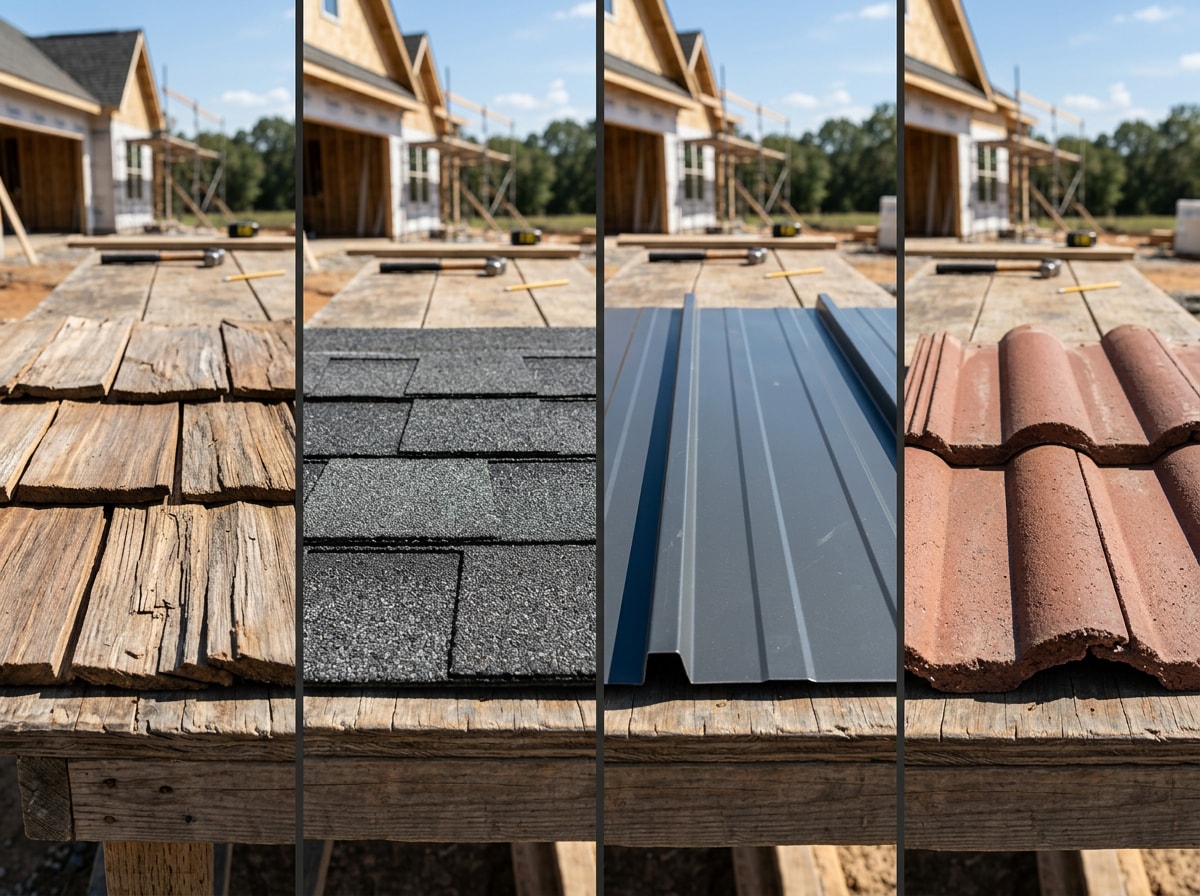
Actual cost will vary based on roof complexity, accessibility, and the specific treatments required. If you're also weighing a full tear-off against patch repairs, a roof replacement estimate will give you a clearer side-by-side number than a generic per-square-foot range.
Climate-Related Cost Factors
Florida's heat and humidity accelerate wood deterioration, so contractors frequently add moisture barriers and fire-retardant treatments to extend a cedar roof's lifespan. These climate-related costs are a major reason cedar shake runs higher in Venice than in drier states, and they should be itemized clearly in any quote.
Maintenance Requirements for a Cedar Shake Roof in Florida
Cedar shake in a coastal, humid climate like Venice is not a low-maintenance material. Its lifespan depends heavily on a consistent cleaning and treatment schedule, not just the quality of the initial install.
Annual Maintenance Tasks
- Remove moss, algae, and organic debris using a low-pressure wash. Never use high-pressure power washing, which strips the soft grain and shortens the wood's life.
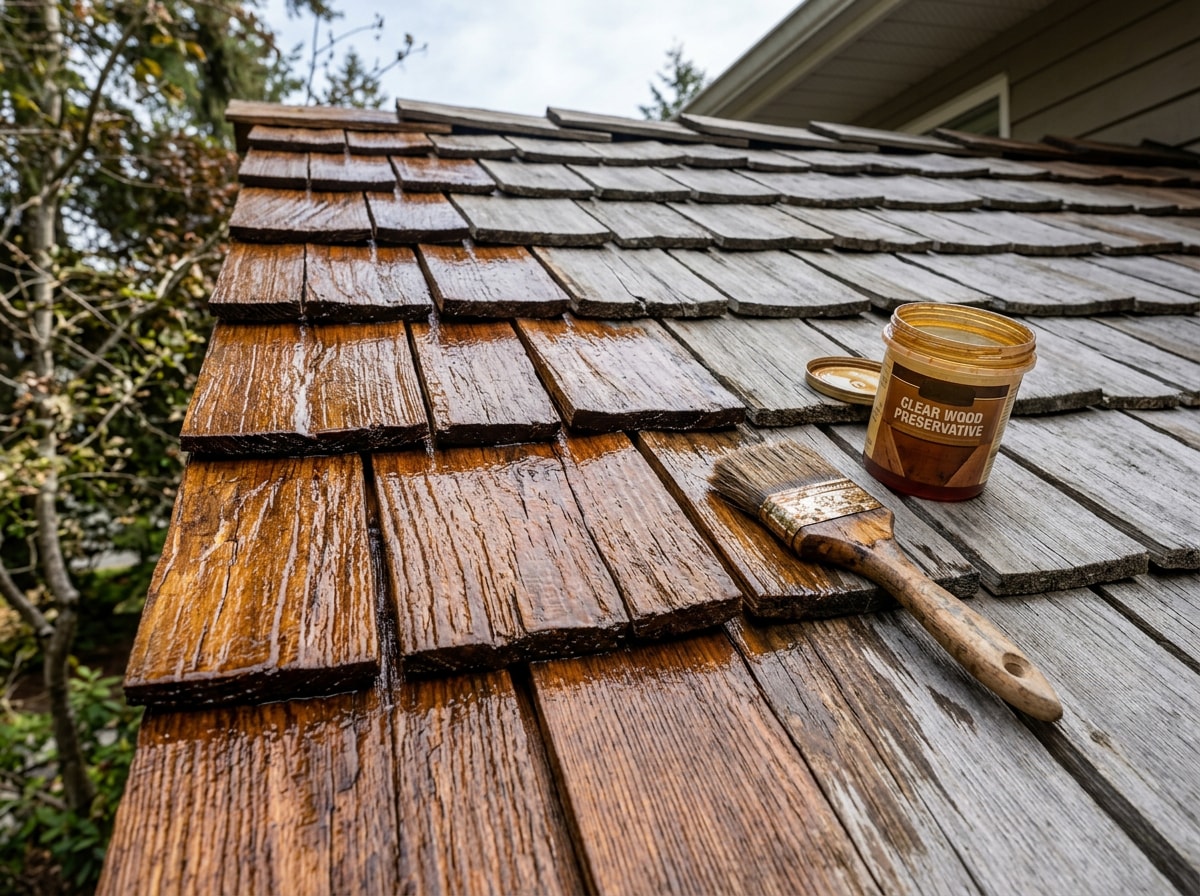
- Apply a wood preservative containing fungicides and UV inhibitors to replenish the natural oils that leach out of cedar over time.
- Check attic and roof-deck ventilation, since trapped moisture under the shakes speeds up rot.
- Inspect and clear gutters so water doesn't pool against the shake courses at the eaves.
Homeowners who stay on top of algae removal and moss removal tend to get closer to the upper end of cedar's expected lifespan in this climate.
Synthetic Cedar Shake Alternatives for Florida
Composite shake products have become the material of choice for many Venice homeowners who want the wood-shake look without the climate headaches. These products are engineered specifically to resist moisture, UV exposure, and wind uplift.
Leading synthetic cedar shake alternatives include:
- Polymer composite shakes with Class A fire ratings and warranties that can run 40 to 50 years.
- Recycled composite tiles valued for their light weight and resistance to mold and insects.
- Fiberglass-asphalt shake-profile shingles that offer a more affordable entry point with a Class A rating as part of a tested roofing assembly.
Each option carries a Class A fire rating as installed, something untreated natural cedar can't match without added treatment. For homes where wood shake was original to the architecture, tying the replacement material into the rest of the roofline matters just as much as the material itself. If your property also has tile sections, our tile roof maintenance team can advise on blending profiles.
Why Synthetic Shakes Need Less Maintenance
Composite shake products generally skip the annual cleaning and preservative schedule that natural cedar demands. In a humid climate like Venice's, that lower upkeep burden is often the deciding factor for homeowners weighing synthetic shake against real wood.
For a broader look at material options and typical pricing across the area, our roofing guide for Venice, FL covers how cedar shake compares to shingles, metal, and tile side by side.
Ready to compare cedar shake against synthetic alternatives for your home? Request a free estimate and we'll walk you through code requirements, insurance implications, and real costs before you decide.
FAQ
How Much Does a Cedar Shake Roof Cost in Florida?
Cedar shake roofing in Florida typically costs $9 to $15 per square foot installed, putting a 2,000-square-foot roof in the $18,000 to $30,000 range. For an exact figure, request a free estimate for your Venice property.
Why Are Cedar Shake Roofs Not Good for Florida?
Cedar shake roofs struggle in Florida's hot, humid climate, which accelerates mold, algae growth, and UV-related wood aging compared to drier states. Untreated cedar also carries only a Class C fire rating, the lowest on the scale.
Is Cedar Shake Roofing Allowed in Florida?
It depends on the product, the jurisdiction, and HOA rules. A small number of manufacturers hold current Florida product approval for wood shake, including for high-wind zones, but most installations near Venice rely on fire-retardant treatment and strict underlayment and fastening specs to meet code. Confirm specifics with your local building department before committing to the material.
Will Insurance Cover a Cedar Shake Roof in Venice, FL?
Some carriers apply stricter underwriting to wood shake roofs because untreated cedar only reaches a Class C fire rating. Ask your agent to confirm in writing whether your specific carrier will insure the exact shake assembly you're planning to install.
How Long Does a Cedar Shake Roof Last in Florida?
With diligent annual maintenance, cleaning, treatment, and repairs, a cedar shake roof typically lasts 15 to 25 years in Florida's climate, shorter than the 30 to 40 years often advertised in drier regions.
What Are the Best Synthetic Alternatives to Cedar Shakes in Florida?
Top composite options include polymer composite shakes, recycled composite tiles, and fiberglass-asphalt shake-profile shingles, all offering Class A fire ratings with far less maintenance than natural wood.