Barn roofing in Venice, FL isn't priced like a typical house roof. Pitch, panel gauge, and Gulf Coast wind loads all push the number around before you ever get a quote. Here's what replacement, repair, and material choice actually cost in 2026, and the one code detail most quotes get wrong.
Barn Roof Replacement Cost in Venice, FL
Barn roof replacement nationally runs $3 to $15 per square foot depending on material, pitch, and size. For a Venice property, expect to land in the middle-to-upper end of that range once wind-rated fasteners and panel gauges get factored in.
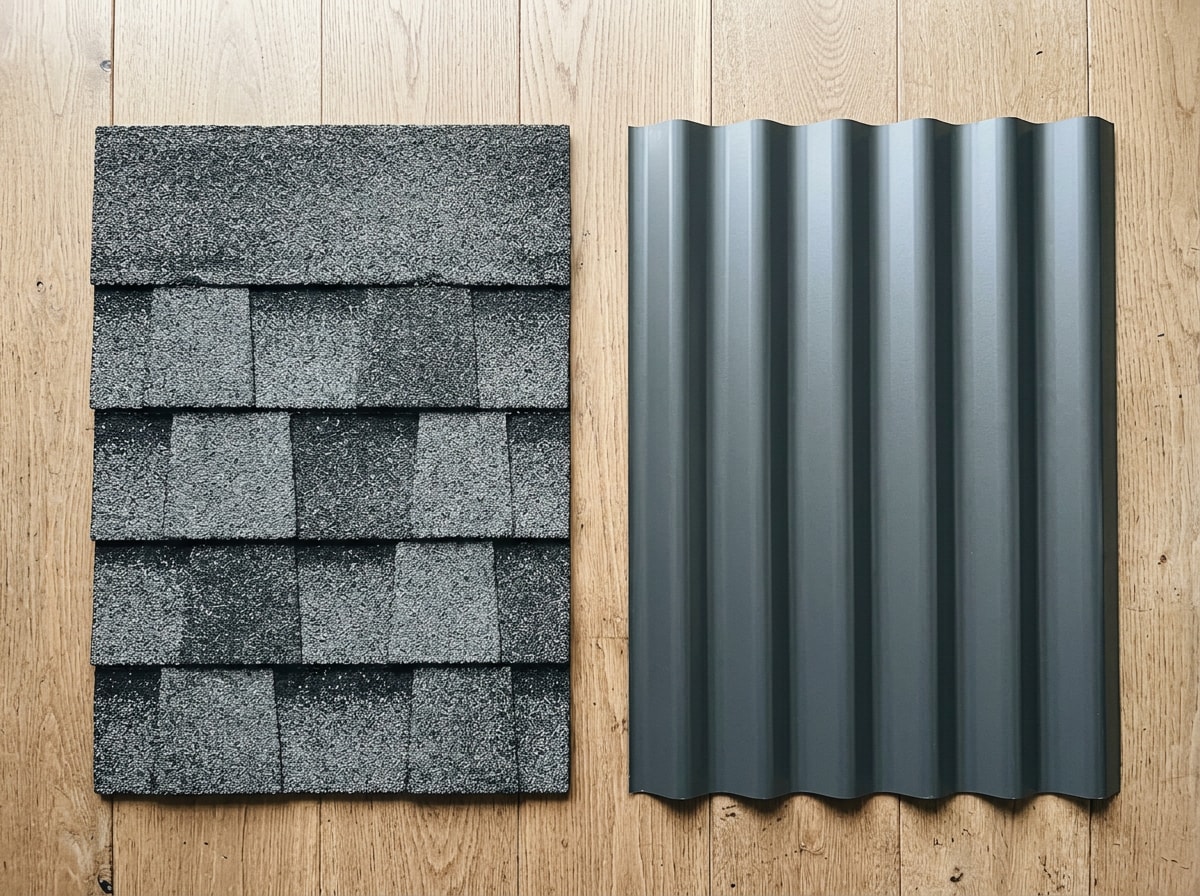
Asphalt shingle barn roofs typically run $3 to $6 per square foot installed. Metal, the material most Venice barns end up needing anyway, runs $7 to $14 per square foot depending on gauge and panel profile.
| Material | Cost per sq. ft. (installed) | Typical lifespan | Best fit for Venice barns |
|---|---|---|---|
| Asphalt shingle | $3 to $6 | 15 to 20 years | Tight budgets, low-pitch accessory structures |
| Exposed-fastener metal (R-panel, corrugated) | $7 to $10 | 25 to 40 years | Most pole barns and workshops |
| Standing seam metal | $10 to $14 | 40+ years | High-value barns, horse stables, long hold periods |
Why Venice's Wind Zone Changes the Math
Here's something most roofing quotes in Sarasota County get wrong: Venice is not inside Florida's High-Velocity Hurricane Zone. The High Velocity Hurricane Zone provisions apply only to Miami-Dade and Broward counties . That doesn't mean Venice barns get a pass on wind design, though. Sarasota County still falls inside a mandatory wind-borne debris region under the Florida Building Code, and the county's wind-borne debris region is designed around a three-second gust wind velocity of 130 miles per hour .
What that means for a barn roof: panels, fasteners, and screw patterns still need to be rated for that 130 mph design speed and pulled under a local permit, even though the stricter HVHZ testing rules that apply in Miami-Dade don't apply here. Ask any contractor quoting your barn roof whether their fastening schedule and panel product approval meet Sarasota County's wind-borne debris requirements, not Miami-Dade's HVHZ standard. The two are often confused, and the mix-up can lead to over-ordering (and overpaying for) hardware your barn doesn't need under local code.
Barn Roof Cost by Size
Square footage drives barn roof pricing more than almost any other factor. A small lean-to and a large pole barn don't just differ in total cost, they differ in price per square foot, since labor and material waste don't scale in a straight line.
Smaller barns often cost more per square foot than larger ones because setup labor and disposal fees get spread across less roof area. A 600-square-foot roof might run $9 to $12 per square foot, while a 3,000-square-foot roof using the same material could drop to $6 to $8 per square foot.
This matters for Venice-area owners with pole barns, workshops, or detached outbuildings on larger residential lots. Combining smaller structures into one project, when possible, often lowers the cost per square foot across the whole job.
Additional Cost Factors
Material and size set the baseline, but these line items push the final invoice higher:
- Metal gauge. 29-gauge panels cost less but flex more in storms. 24-gauge panels cost more upfront and hold up better against Gulf Coast gusts.
- Tear-off and disposal. Removing an old roof typically runs $1 to $3 per square foot before new material goes down.
- Roof complexity. Steep pitches, multiple planes, and dormers raise labor time and push the price higher.
- Access. Barns on rural lots or behind fencing sometimes need extra equipment time to get material and crews to the roof.
Ask for an itemized quote so these costs don't surprise you after the job starts. Our roof replacement services page outlines what's typically included in a full barn re-roof in Venice.
Barn Roof Repair Cost by Type
Barn roof repair cost ranges from $300 for a minor patch to $3,000 or more for extensive storm damage. The right number depends on what's actually failing.
| Repair type | Typical cost | Common cause |
|---|---|---|
| Leak repair | $300 to $1,100 | Age, worn flashing, storm-damaged panels |
| Shingle replacement (partial) | $400 to $1,500 | Wear after 10 to 20 years |
| Metal panel replacement (partial) | $500 to $2,500 | Storm damage, corrosion |
| Structural repair (rafters, trusses) | $1,000 to $10,000+ | Sagging rooflines, shifted purlins |
| Flashing repair | $200 to $600 | Failed seals at vents, ridges, wall transitions |
| Gutter repair | $150 to $500 | Sagging or disconnected sections |
| Rot or mold remediation | $500 to $4,000+ | Trapped moisture behind damaged flashing |
Most barn roof leaks trace back to age, worn flashing, or storm-damaged panels and shingles. Signs include water stains on the ceiling, daylight visible through the roof deck, or damp insulation. Sagging rooflines, shifting purlins, or visible cracks point to structural problems that need attention fast, since a compromised frame threatens the whole building. If you're seeing any of these signs, our roof repair team can scope the damage before it spreads into the deck or framing.
DIY Barn Roof Repair vs. Hiring a Pro
A DIY patch might only cost $50 to $200 in materials, tempting compared to professional labor rates that often run $75 to $150 per hour. The math changes once you factor in what's actually at stake on a Florida barn roof.
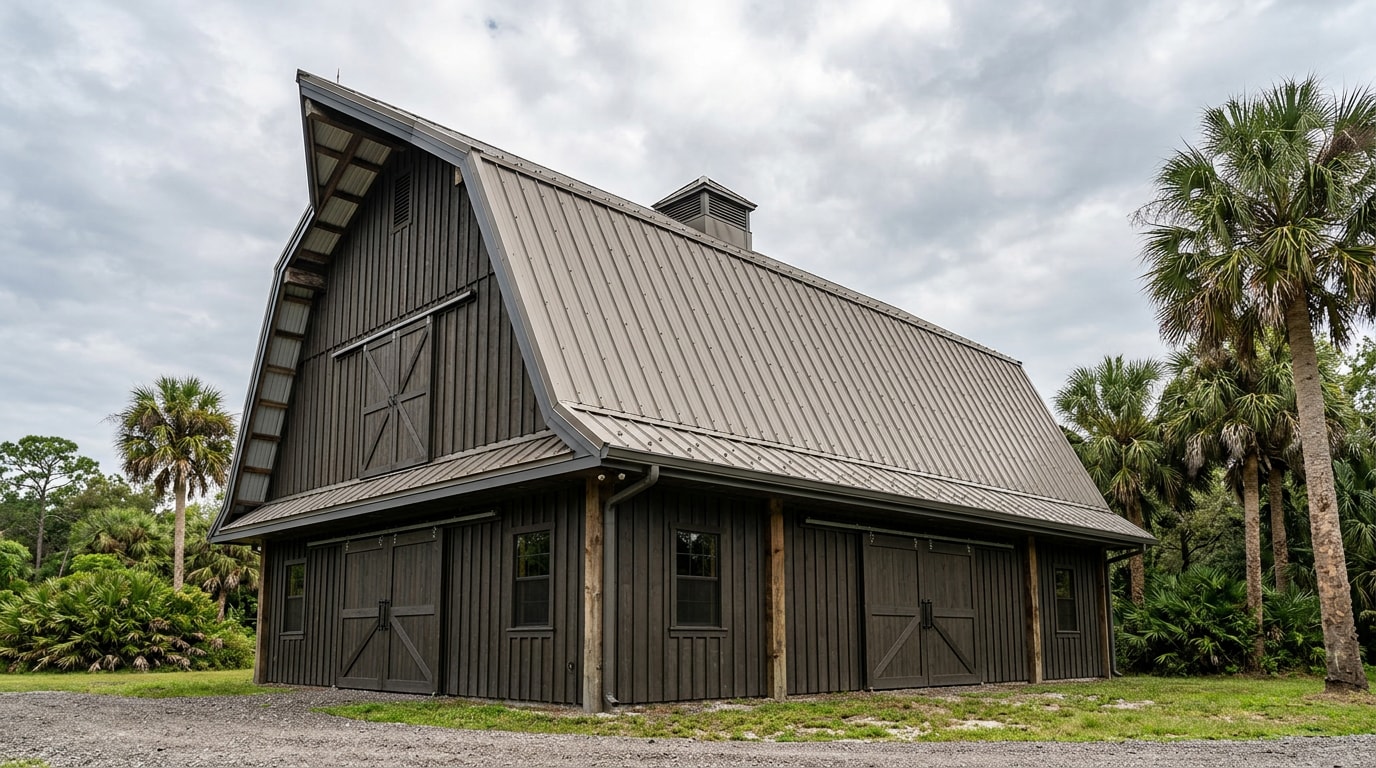
Barns with steep gambrel or gable rooflines, common on larger Venice-area properties, create real fall hazards. This isn't just a general safety concern. On roofs up to an 8-in-12 pitch, alternative fall-protection methods are allowed, but roofs steeper than 8-in-12 require conventional fall protection such as guardrails, safety nets, or personal fall arrest systems . A lot of gambrel barn roofs exceed that pitch at the break line, which is exactly where most DIY injuries happen.
There's also an insurance angle worth considering. Florida's wind-mitigation inspection program ties premium discounts to verified, code-compliant roofing work. A DIY repair that isn't documented to code can complicate that paperwork and a future storm claim.
Hiring a licensed roofer costs more upfront, but it preserves your wind-mitigation documentation, meets the fastening requirements discussed above, and shifts fall-hazard risk onto an insured crew. For anything beyond a small, ground-accessible patch, that tradeoff usually favors calling a professional. Request a free estimate and we'll tell you honestly whether your barn needs a repair or a full replacement.
6 Steps in the Metal Barn Roof Replacement Timeline
A well-planned replacement follows a predictable sequence, not a single rushed day of work.
1. Initial Inspection and Planning
Every project starts with a thorough roof inspection, checking for leaks, rot, and rusted fasteners. A structural assessment follows, confirming rafters, purlins, and trusses can support the new material, especially important when upgrading from shingles to heavier metal.
2. Material Selection and Ordering
Next comes choosing between standing seam, corrugated, or exposed-fastener systems based on budget, appearance, and wind rating. Custom panel lengths and specific colors can take several weeks to arrive, and ordering late is one of the most common reasons projects run behind schedule.
3. Permitting
Sarasota County requires a permit for barn re-roofs, with calculations showing the assembly meets the local wind-borne debris design speed covered earlier. Skipping this step is the fastest way to end up with an uninsurable roof.
4. Tear-Off and Deck Prep
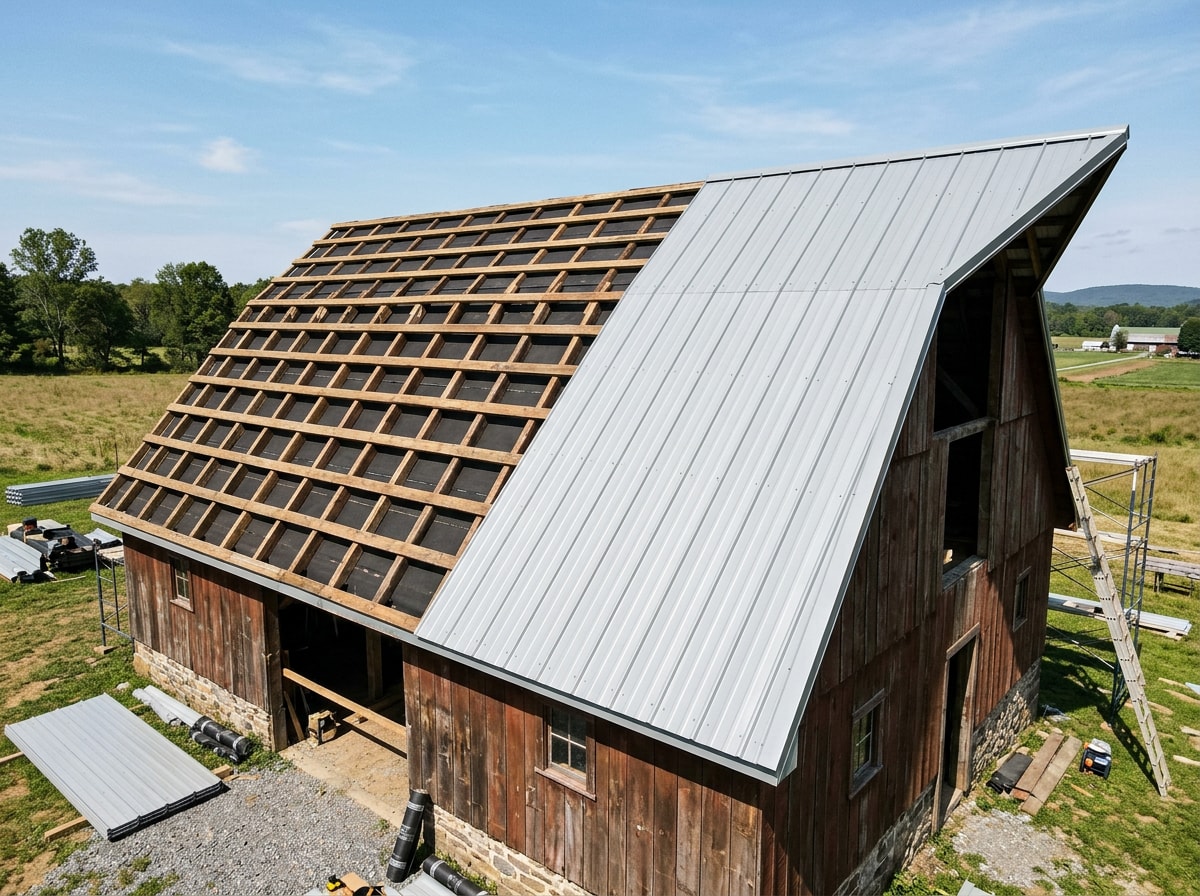
Old material comes off, the deck gets inspected for rot, and any damaged sheathing or purlins get replaced before a single new panel goes down.
5. Installation
Panels go on following the manufacturer's fastening pattern and screw spacing, with flashing detailed at ridges, eaves, and any wall transitions.
6. Final Inspection and Cleanup
A final walk-through confirms fastener torque, flashing seals, and ridge caps before the job is signed off and debris is hauled away.
Best Metal Panel Profiles for Venice Barns
Metal panels win out for barns because they balance affordability, durability, and installation speed better than most alternatives. They resist wind, hail, and heavy rain, and need little upkeep beyond periodic fastener checks.
| Profile | Approx. cost per sq. ft. | Look | Best for |
|---|---|---|---|
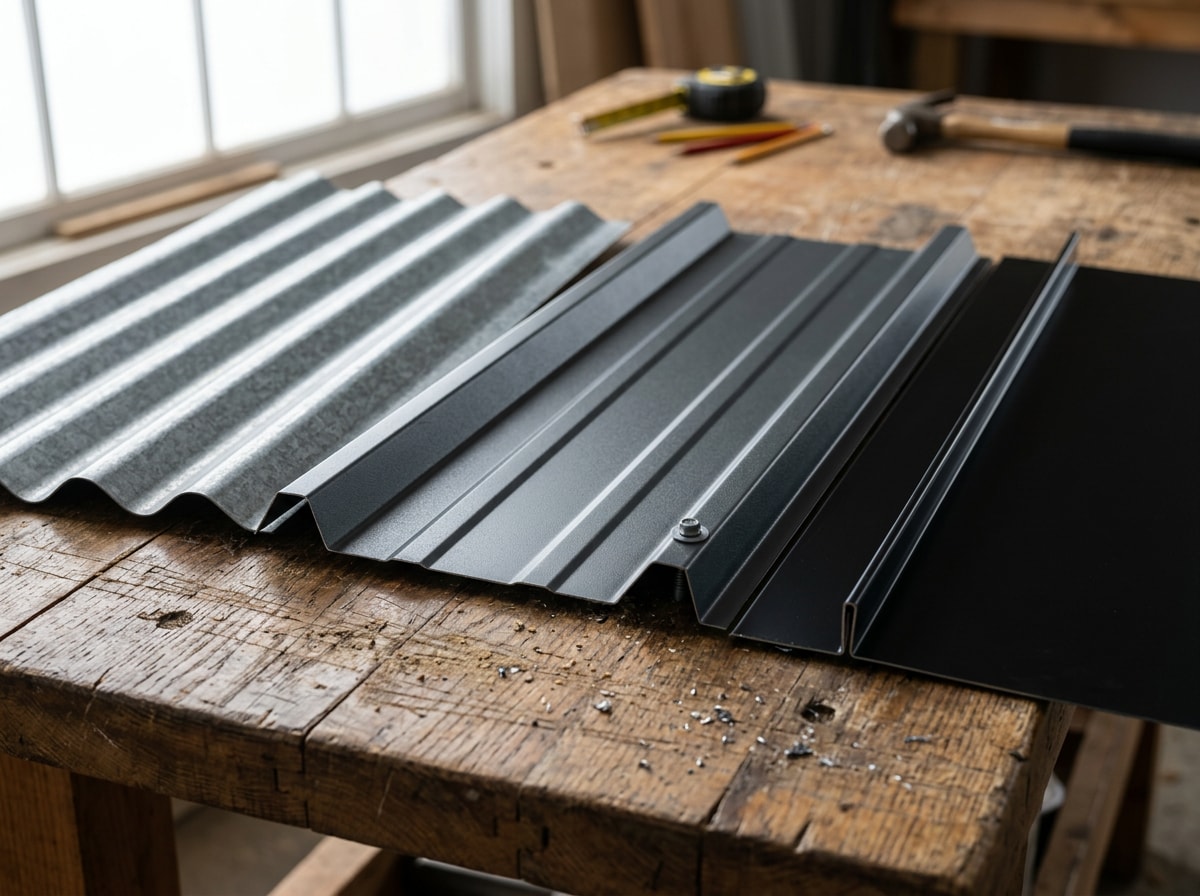
| Corrugated | $3.50 to $8 | Traditional wavy-rib barn look | Classic style, tighter budgets |
| R-Panel | $5 to $9 | Cleaner, more modern rib pattern | Balance of style and price |
| 7.2 Panel | $6 to $10 | Deep rib, wide span | Pole barns with wider purlin spacing |
| Standing seam | $10 to $14 | Concealed fasteners, flat panel | Long-term value, fewer leak points |
Exposed-fastener panels are the most common choice for barns because they cost roughly half of standing seam while still delivering strong wind resistance when installed with proper screw patterns and sealing washers.
For wider-span pole barns, the 7.2 panel's deeper rib allows fewer purlins across a given span while still carrying higher wind-uplift ratings than flatter profiles. Choosing a profile rated for your actual purlin spacing avoids a costly mid-project redesign.
On metal lifespan: metal roofing and siding on agricultural buildings can last 60-plus years when installed and maintained correctly, compared to 15 to 20 years for asphalt shingles in the same climate. If you're weighing metal against steel panel systems more broadly, our steel roof installation guide for Sarasota breaks down process and pricing in more depth.
Standing Seam vs. Exposed Fastener: What to Weigh
Standing seam hides its fasteners under raised seams, meaning fewer penetration points and a longer service life, at a noticeably higher price. Exposed fastener panels cost less and install faster, making them the practical choice for most barns and agricultural outbuildings where budget matters more than a completely seamless look.
Beyond fastener style, weigh panel gauge, wind-uplift rating, and color against Venice's humidity and storm frequency. See our Venice, FL service area page for more on local conditions that affect material choice.
Maintaining Your Barn Roof After Installation
A new barn roof still needs upkeep. Debris in valleys traps moisture and accelerates corrosion around fasteners, so periodic debris removal matters even on metal. Clogged gutters push water back under the eave trim, which is why we recommend gutter cleaning on the same schedule as fastener checks. If your barn has an older shingle or low-slope section, a roof coating can extend its service life without a full tear-off.
After inspecting and replacing dozens of pole barn and ag-building roofs across Sarasota and Manatee counties, the same failure points show up again and again: backed-out screws at the ridge, undersized gauge on wide purlin spans, and flashing that was never properly lapped at the eave. Most of these are cheap to fix early and expensive to ignore.
FAQ
What is the average cost to repair a barn roof?
Average barn roof repair costs range from $300 for small patches to $3,000 or more for extensive storm or structural damage. Minor leak and flashing repairs sit at the low end, while rafter or truss repairs push costs toward the top.
How can I tell if I need a full barn roof replacement instead of a repair?
Full replacement usually makes more sense once damage covers large sections of the roof, or the roof is older than about 20 years. Multiple active leaks, widespread rust or rot, and repair costs approaching half of replacement cost are all signs it's time to replace rather than patch.
How often does a barn roof need to be replaced?
Most barn roofs need full replacement every 10 to 20 years for asphalt, or 25 to 60-plus years for metal, though major storms can shorten that timeline. A compliant, well-installed roof built to Sarasota County's wind-borne debris standard tends to outlast one installed without regard for local wind speed.
What's the best roofing material for a barn in Venice, FL?
Exposed-fastener metal panels are the most common choice because they balance cost, wind resistance, and install speed for pole barns and ag buildings. Standing seam is worth the upgrade if you plan to own the property for decades and want the fewest penetration points.
Does homeowners insurance cover barn roof damage in Florida?
It depends on the policy and whether the barn is listed as a covered structure. Wind and storm damage to a properly permitted, code-compliant roof is more likely to be covered than damage tied to an undocumented DIY repair, so keep permits and wind-mitigation paperwork on file.
Ready to get a barn roofing quote built around Venice's actual wind requirements? Contact Avery Roof Services for a free, no-pressure estimate, or visit our homepage to see the full range of roofing and maintenance services we run across Sarasota and Manatee counties.