Types of roofing materials in Manatee County, FL span everything from economy asphalt shingles to 50-year clay tile, and picking wrong here costs more than curb appeal. Gulf Coast sun, salt air, and hurricane-force wind retire roofs faster than almost anywhere else in the country. This guide breaks down what actually holds up on Bradenton, Lakewood Ranch, and Anna Maria Island roofs, not just what's cheapest at the lumber yard.
Why Manatee County's Climate Dictates Your Material Choice
Manatee County roofs face three stressors most of the country never deals with at this intensity.
- UV exposure breaks down roofing materials faster than in cooler, cloudier regions, fading colors and drying out protective oils.
- Humidity creates ideal conditions for algae and moisture intrusion when a roof isn't properly ventilated.
- Wind from hurricane season tests every seam, fastener, and tile lock on a roof.
That combination is why above-code construction matters here more than in most states. The FORTIFIED program, built on decades of research by the Insurance Institute for Business & Home Safety, gives homeowners a roof proven to withstand severe weather rather than one that simply meets the minimum code. Coastal properties get an extra layer of scrutiny, too: IBHS's own re-roofing checklist asks directly whether the home is within 3,000 feet of saltwater , because salt spray corrodes fasteners and metal components far faster than inland exposure.
Homeowners anywhere in the region, from Bradenton to Lakewood Ranch, benefit from understanding these pressures before comparing materials. For local code and wind-zone context, see our Manatee County service area page.
Roofing Materials Compared at a Glance
Here's how the main options stack up for Manatee County homes. Treat the cost column as a planning range, not a quote; actual pricing depends on roof pitch, tear-off scope, and current material pricing at the time of your project.
| Material | Lifespan | Est. Cost per Square (2026) | Wind Rating | Best Use Case |
|---|---|---|---|---|
| Asphalt (architectural) | 15–20 yrs | $400–$550 | Up to 130 mph | Budget-conscious replacement |
| Standing seam metal | 40+ yrs | $900–$1,400 | 150+ mph | Long-term value, high-wind zones |
| Concrete tile | 30–40 yrs | $700–$1,000 | Up to 150 mph | Standard Gulf Coast tile roof |
| Clay tile | 50+ yrs | $1,000–$1,500 | Up to 150 mph | Mediterranean/Spanish architecture |
| Stone-coated steel | 30–50 yrs | $800–$1,200 | High | Lightweight tile-look alternative |
| TPO (flat/low-slope) | 15–25 yrs | $450–$700 | Varies by install | Additions, lanais, low-slope sections |
Skip ahead to whichever material matters most to your project, or keep reading for the full picture.
Asphalt Shingles
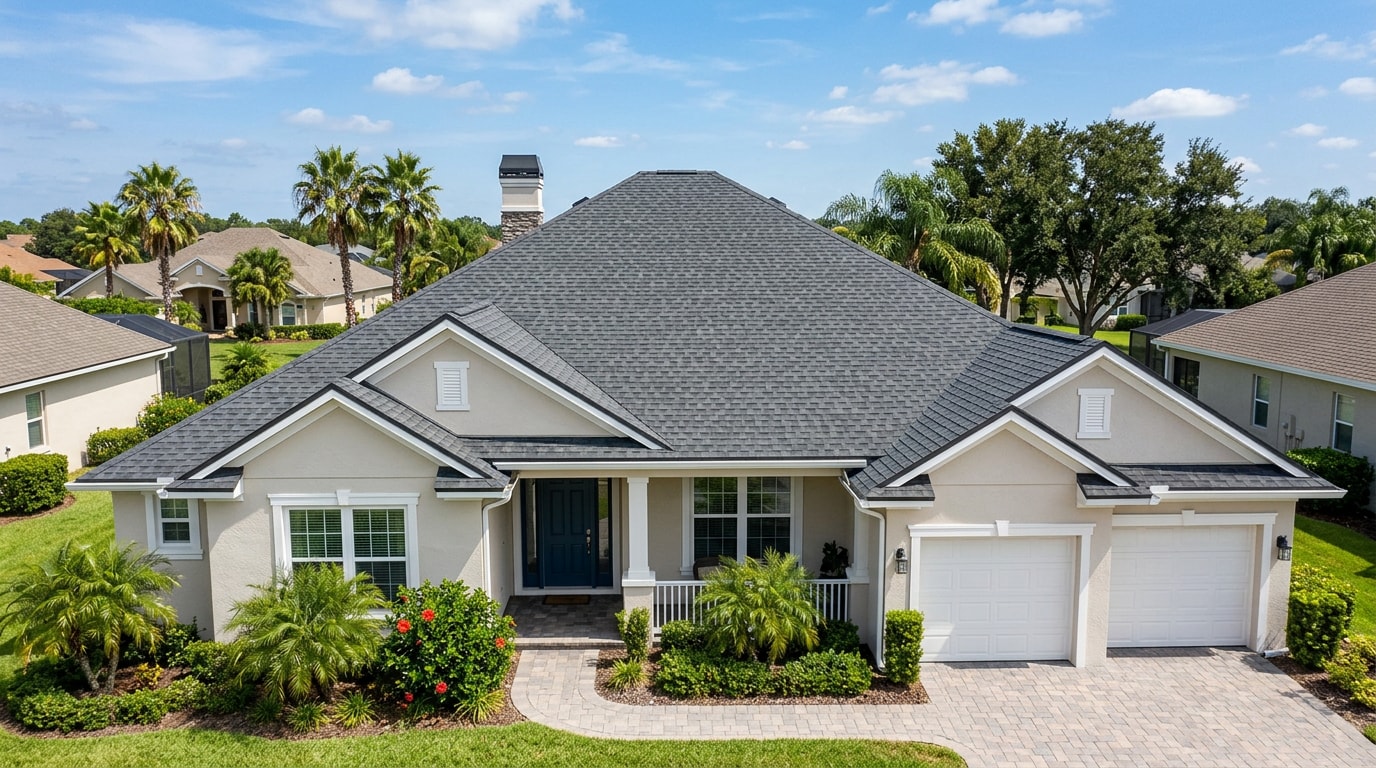
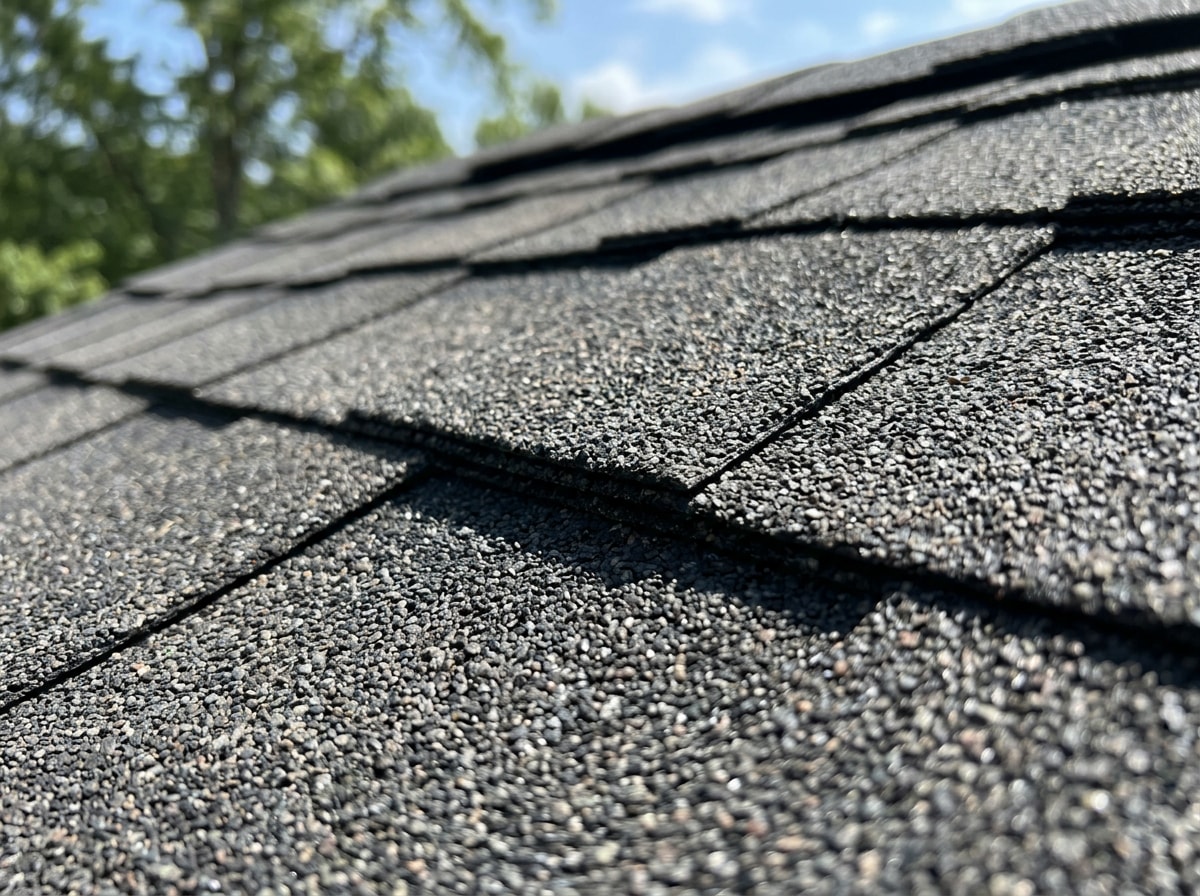
Asphalt shingles remain the most common entry point for Manatee County homeowners, largely due to cost. Architectural shingles, thicker and more textured than older 3-tab versions, handle wind uplift far better and typically carry wind ratings up to 130 mph when properly installed.
Asphalt shingle cost generally sits lower than tile or metal, which is why it's usually the first material homeowners ask about when comparing quotes. Lifespan runs shorter at roughly 15–20 years in Florida's climate, so factor replacement timing into your budget.
Homeowners weighing a full tear-off can learn more on our roof replacement services page.
Metal Roofing
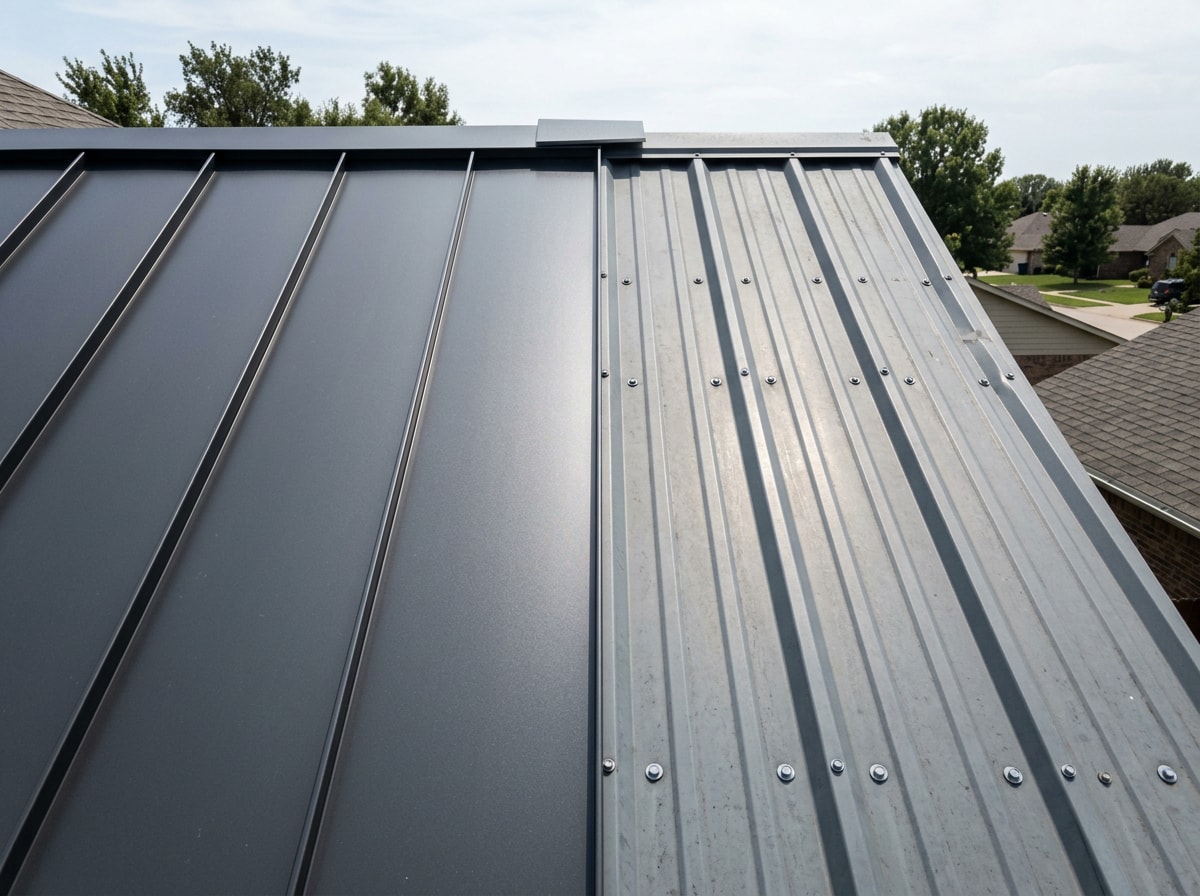
Metal roofing comes in two main styles: standing-seam panels with hidden fasteners, and exposed-fastener panels that cost less upfront. A standing seam metal roof handles wind uplift better because there are no exposed screws to back out over time, a real concern during hurricane season.
Metal roofing cost runs higher than asphalt but often pays off through longevity, 40-plus years in many cases, plus potential insurance discounts tied to proven wind resistance. In our own inspections across Bradenton and Lakewood Ranch, the metal roofs holding up best after storms are consistently the standing-seam installs with proper clip spacing, not the budget exposed-fastener panels.
Concrete Tile
Concrete tile is arguably the default tile choice across Southwest and Gulf Coast Florida, and Manatee County is no exception. A properly installed concrete tile roof offers strong wind resistance and excellent fire resistance, both valuable in a coastal hurricane zone.
The trade-off is weight. Structural load has to be factored in before installation, since not every roof deck is built to support tile without reinforcement. Concrete remains the pick for homeowners who want tile's durability without clay's premium price.
Clay Tile
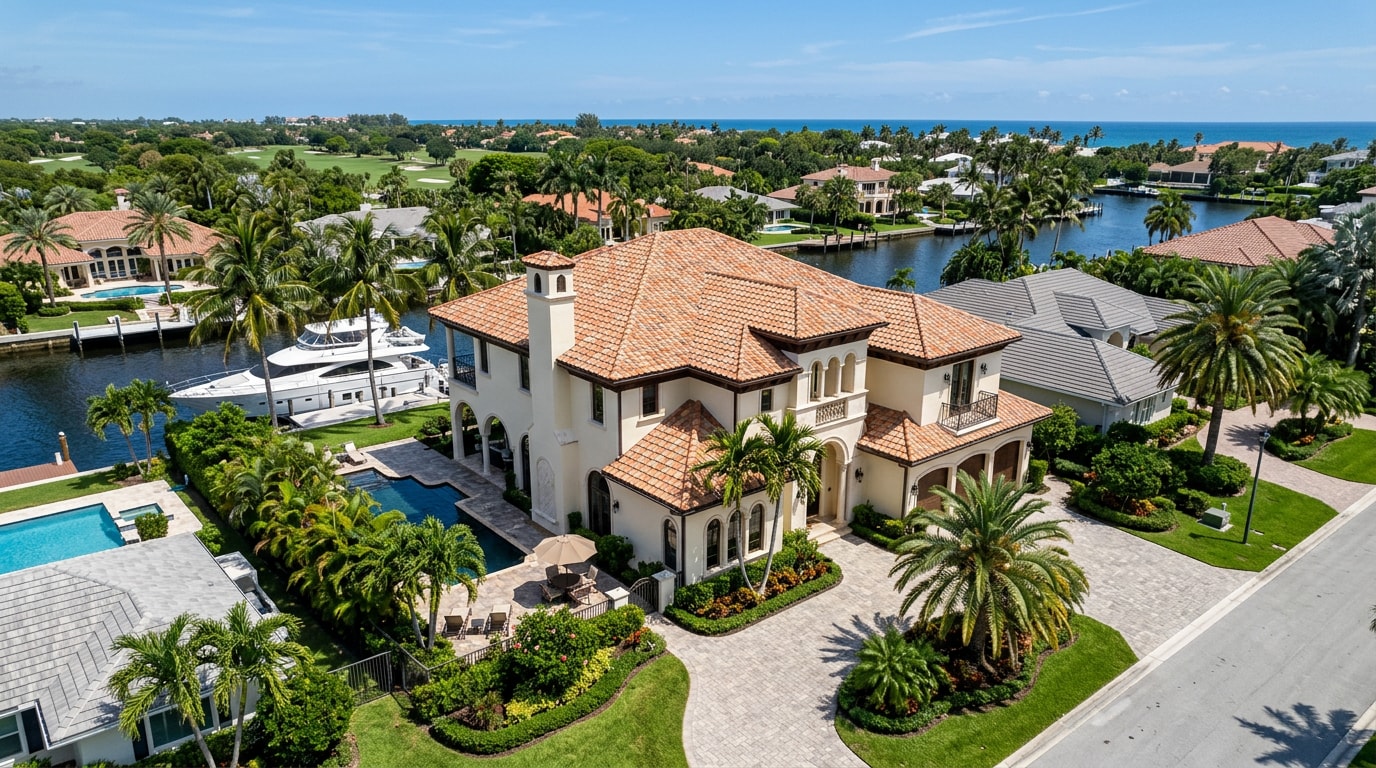
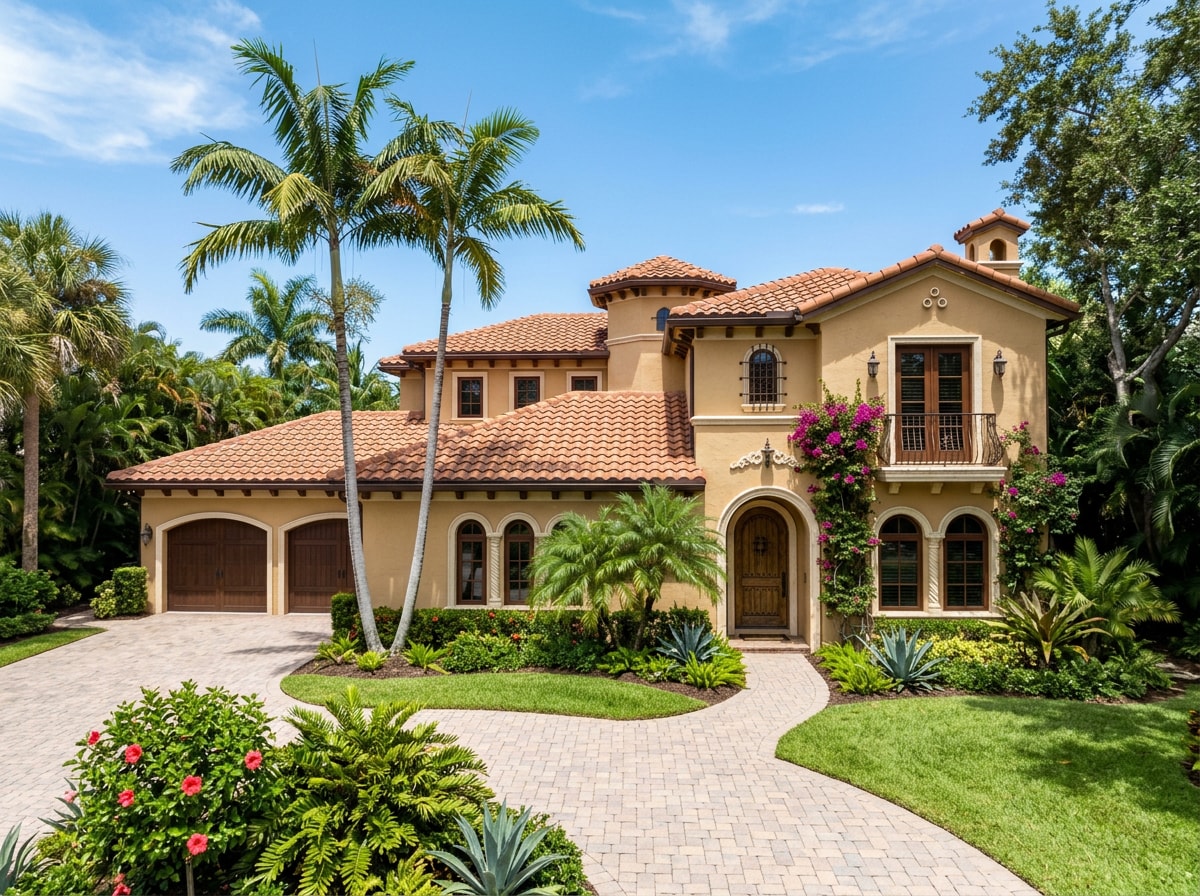
Clay tile is the premium step up from concrete, favored on Mediterranean and Spanish-style homes common throughout Bradenton and Lakewood Ranch. A clay tile roof can last 50 years or more, well beyond concrete's typical range, though it comes at a noticeably higher price point.
For homeowners prioritizing long-term tile lifespan over upfront savings, clay remains the architectural match of choice for the area's Spanish Colonial and Mediterranean Revival homes. Routine upkeep still matters: see our tile roof maintenance page for what that involves.
Stone-Coated Steel
Stone-coated steel panels are formed to mimic the look of tile or shingle while weighing far less than concrete or clay. As a lightweight alternative, stone-coated steel suits homes where structural load is a concern but the tile aesthetic is still wanted.
It's less common in Manatee County than asphalt, tile, or standard metal, but worth a look for specific structural or design situations, like additions built on framing that can't take extra tile weight.
Flat and Low-Slope Roofing
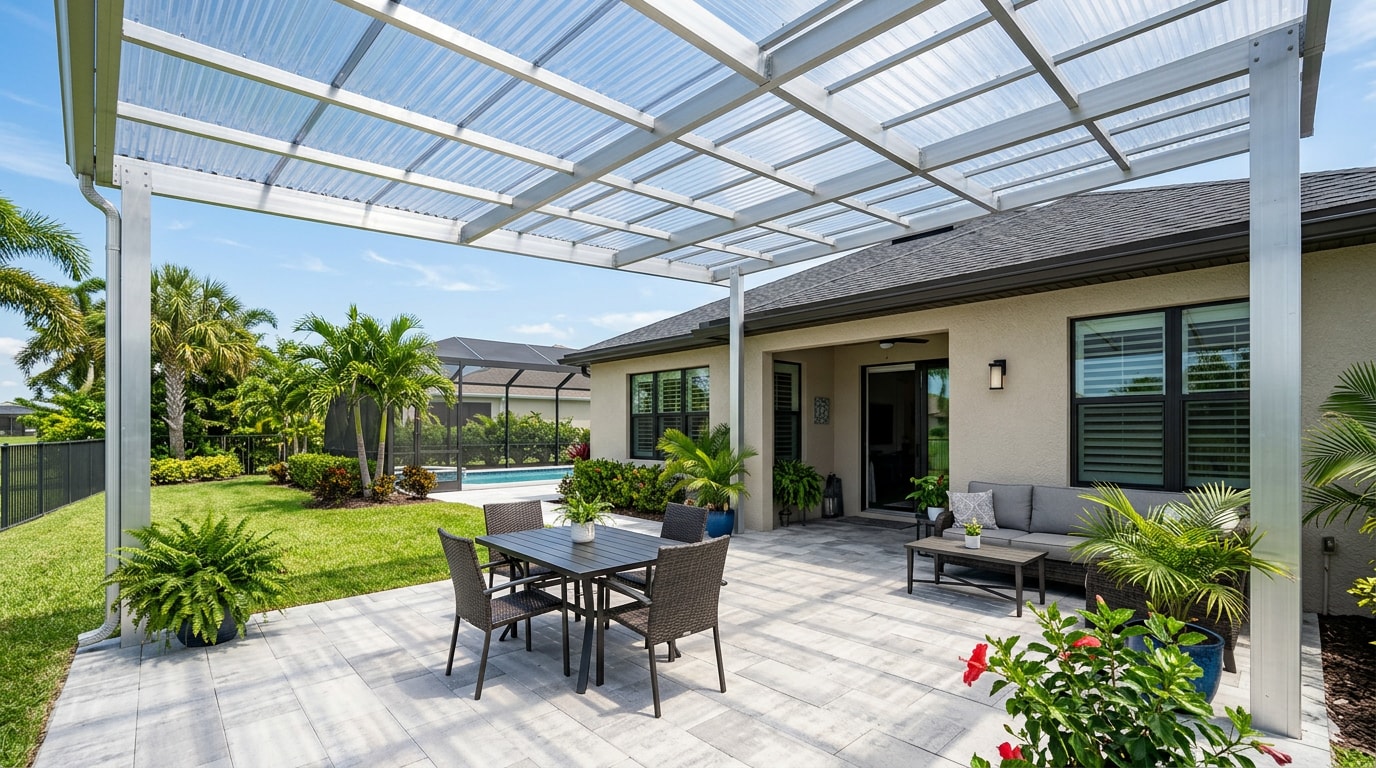
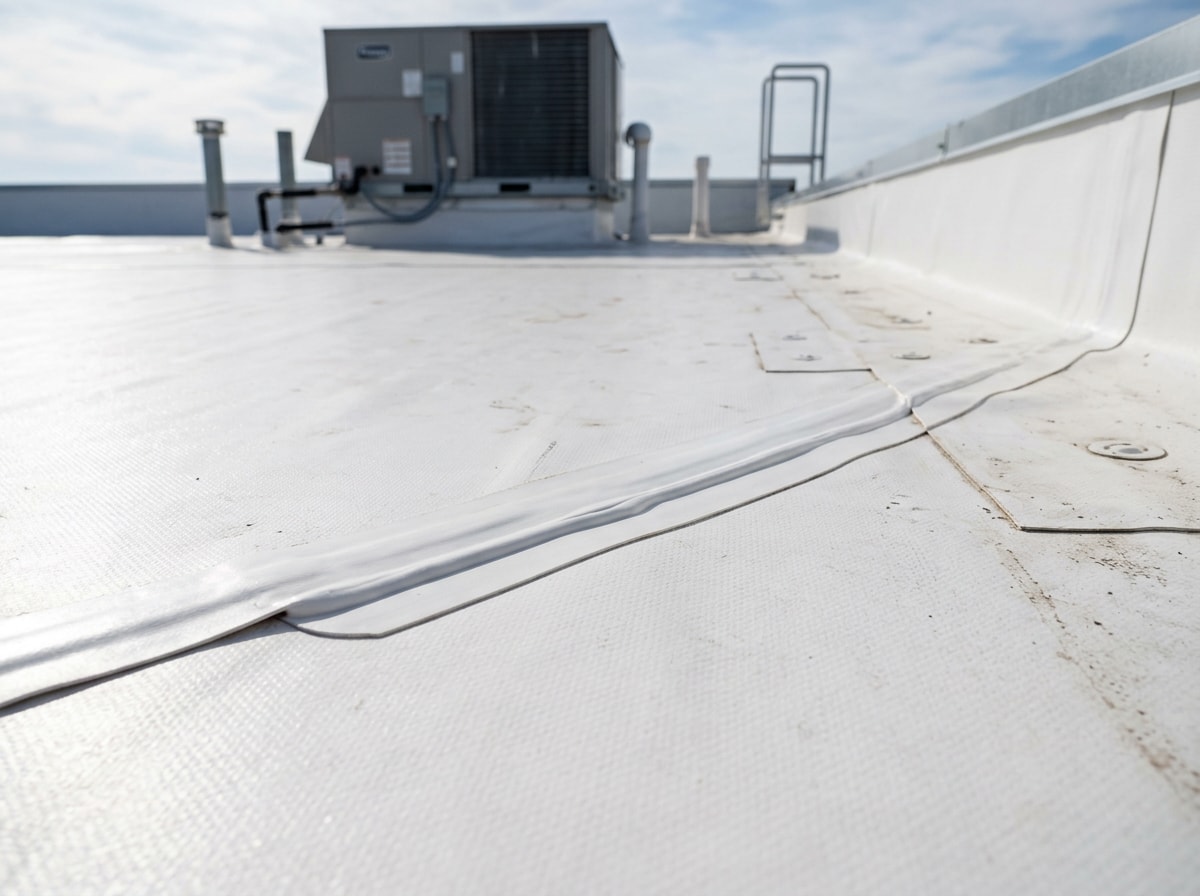
Additions, lanais, and ranch-style sections of Florida homes often need a flat or low-slope system rather than shingles or tile. TPO is the more common modern choice for a flat roof, offering a reflective white membrane and heat-welded seams that resist standing water better than older materials.
Modified bitumen remains a solid alternative for low-slope sections, particularly on additions where budget is tighter. EPDM rubber membranes still show up on older flat roofs, but most Manatee County installers now favor TPO because EPDM seams and UV exposure tend to fail sooner. If you're weighing commercial-scale low-slope options, our flat roof repair page covers the repair side of these systems.
Impact-Resistant Roofing Materials
Impact-resistant roofing is tested to withstand wind-borne debris, a real hazard during Florida hurricanes when branches, fencing, and loose objects become projectiles. The benchmark standard, UL 2218, was developed in the 1990s by Underwriters Laboratories with industry and insurance companies, and results in four ratings from Class 1 to Class 4 based on replicating hailstone impact energies with dropped steel balls .
Class 4 is the highest tier. In Florida Building Code wind-borne debris zones, choosing Class 4-rated materials can reduce storm damage risk and may qualify for insurance credits. IBHS has also partnered with UL on newer shingle performance testing that factors in denting and granule loss, which UL 2218 alone doesn't measure, giving homeowners a more complete picture of real-world hail performance.
Cool Roofing Materials
Cool roof materials use reflective coatings or light-colored surfaces to reduce the amount of solar heat a roof absorbs. According to ENERGY STAR, a cool roof can reduce air conditioning costs inside a building on a hot day and even cool down the air around the building, helping to reduce the heat island effect in the neighborhood . In Florida's climate, that translates to lower attic temperatures and less strain on AC systems during peak summer months.
Reflective options exist across shingle, tile, and metal categories, so an energy-efficient roof doesn't require sacrificing a specific material type.
Eco-Friendly and Sustainable Roofing Materials
Sustainable roofing options have expanded in recent years, including shingles made with recycled content and metal panels that are fully recyclable at the end of their service life. For homeowners planning ahead, some materials are better suited to future solar panel installation than others.
Availability and pricing for recycled roofing materials vary by supplier, so it's worth asking directly whether a specific eco-friendly product is stocked locally before assuming it's an option.
Materials to Avoid in Manatee County's Climate
Wood shake and shingle roofs generally struggle in Manatee County's humidity, absorbing moisture and becoming prone to rot, mold, and splitting over time. Problems compound quickly near the coast, where salt air accelerates deterioration further.
Low-grade or older-generation membrane products can also fall short against wind-driven rain and UV breakdown. When comparing materials, anything not rated for high-wind, high-humidity conditions is worth skipping, even if the upfront price looks appealing.
How to Choose the Right Roofing Material
Budget is usually the starting point, but it shouldn't be the only factor. A few questions worth answering before you commit:
- Can your roof deck support the weight? Heavier tile options need adequate framing; not every structure qualifies without reinforcement.
- Does your HOA restrict materials or colors? Planned communities around Lakewood Ranch often have design rules that narrow your options.
- What's the insurance impact? Impact-resistant, metal, and tile roofs often qualify for wind mitigation discounts.
- How long do you plan to stay in the home? Lifespan versus upfront cost changes the math significantly.
A free roof inspection can help clarify which options are realistic for your budget before committing to a full replacement.
Installation Matters as Much as Material
Even the best material underperforms if installation is flawed. Flashing details, underlayment quality, and fastening patterns all affect how well a roof resists wind uplift during a storm. Installation quality often matters as much as the material rating printed on the product label.
Working with a licensed roofing contractor who follows proper underlayment and fastening protocols is non-negotiable in a hurricane-prone market. See our full roofing contractor services for what proper installation includes, and check our guide on licensed roofing contractors in Manatee County before hiring anyone.
Maintenance Tips to Maximize Your Roof's Performance
Routine maintenance should include biannual inspections, especially before and after hurricane season, along with regular debris and gutter clearing. A clogged gutter system can back water up under shingles or tile.
For flat roofs, periodic roof coating can extend service life significantly. Keeping gutters clear matters just as much; our gutter cleaning service and roof cleaning service both help prevent the moisture backup that shortens roof life in this climate.
If you're ready to compare options for your own home, get a free estimate from our team, or start on the homepage to see our full range of roofing services.
FAQ
What roofing materials are used on roofs in Florida?
Florida homes commonly use asphalt shingles, concrete or clay tile, metal panels, and TPO or modified bitumen on flat sections. The right choice depends on architecture, budget, and structural capacity.
Does roofing material affect my homeowner's insurance rate in Florida?
Yes. Under the state's wind mitigation program, insurers must consider discounts for roof coverings such as asphalt/fiberglass shingles, concrete/clay tiles, metal panels, and other types of roof covering that meet current Florida Building Code standards . Impact-resistant, metal, and tile roofs typically see the largest discounts.
How much does a new roof cost in Manatee County in 2026?
Roof replacement cost ranges roughly from $8,000 for a modest asphalt shingle job on a smaller home to $25,000 or more for clay tile or standing seam metal on a larger home. Size, pitch, and material choice drive most of the variation.
What are the downsides of EPDM roofing?
EPDM rubber membranes are prone to seam failures and punctures over time, and UV degradation shortens lifespan compared to TPO. Most Manatee County installers now favor TPO for new flat roof sections.
What are Class 4 roofing materials?
Class 4 materials pass the toughest level of impact-resistance testing under UL 2218, simulating severe hail and debris impact. This certification approach results in impact resistance-rated products that carry the UL Mark and appear in UL's Product iQ certification database . Certain shingles, metal panels, and stone-coated steel products carry this rating.